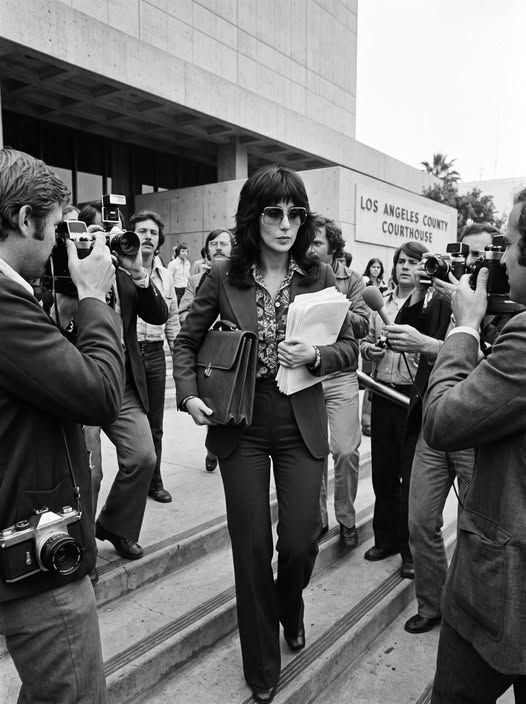
For years, the world believed it knew Cher. They saw the dazzling outfits, the unmistakable voice, the television appearances, the sold-out concerts, and the confident woman who seemed impossible to break. She was one of the biggest stars of her generation, a performer whose name alone could fill headlines. From the outside, Cher appeared to have everything a person could dream of: fame, success, money, and a place among the most recognizable entertainers in the world. But behind the glitter and applause was a reality far different from what millions of fans imagined. In 1975, when Cher walked into a Los Angeles divorce court, she was not simply ending a marriage to Sonny Bono. She was confronting a painful truth about her own career: the woman whose voice helped create an entertainment empire did not have the level of control over that empire that the public assumed she had.
For nearly a decade, Sonny and Cher had been one of the most famous couples in America. Their chemistry was undeniable. Their playful personalities made them television favorites, and their music connected with millions of listeners. When they performed together, audiences saw two people who seemed perfectly matched. Their hit song “I Got You Babe” became a defining moment of the 1960s, transforming them from struggling entertainers into international stars. They became a symbol of a new generation, a couple whose names were forever linked together.
But the image presented on stage was only part of the story.
Behind the scenes, their professional relationship was much more complicated. Cher was the voice, the performer, and the person audiences connected with emotionally. She had the rare ability to turn a song into a personal experience. Yet much of the business structure surrounding their careers was controlled through arrangements that gave Sonny significant influence over management and financial decisions. As long as their marriage and partnership remained intact, those differences were easier to ignore. The public saw success. The public saw glamour. The public saw a powerful team.
Cher saw something different.
She saw a young woman who had spent years building a career but had not fully learned how to protect her own independence.
And when the marriage began to collapse, that realization changed everything.
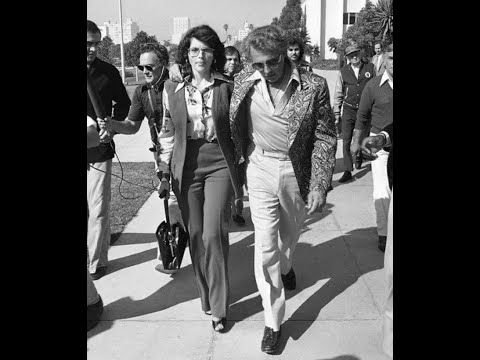
The Moment the Illusion Ended
The divorce was not only an emotional separation. It was a turning point that forced Cher to examine every part of her professional life. She had spent years trusting the system around her, believing that the partnership she had built with Sonny would always protect both of them. But when that partnership disappeared, she found herself facing difficult questions.
What did she actually own?
What decisions could she make for herself?
What parts of the career she helped create belonged to her?
These were questions that many young artists before her had struggled with. The entertainment industry has always been filled with stories of performers who create enormous value while others control the business side. A person can become famous around the world and still have limited understanding of the contracts, agreements, and financial structures that determine their future.
Cher’s experience became a painful lesson in the difference between being successful and being independent.
She had the talent.
She had the audience.
She had the ability to create another chapter.
But first, she had to fight for the opportunity to do it on her own terms.
The divorce process became a battle not only over a marriage but over identity. For years, she had been known as part of Sonny & Cher. Their names were connected so closely that many people wondered whether Cher could succeed without him.
That question became one of the greatest challenges of her life.
Leaving Behind the Woman Everyone Thought They Knew
When a performer becomes famous as part of a duo, separating from that identity can be incredibly difficult. The audience becomes attached to the image they know. They remember the songs, the costumes, the chemistry, and the moments that made the partnership successful.
But Cher understood something important.
The woman the world saw on television was only one part of who she was.
Behind the famous smile was someone who had spent years learning, adapting, and surviving in a demanding industry. The end of her marriage did not erase her talent. It simply forced her to discover how powerful that talent could become when she controlled her own direction.
The easiest choice would have been to return to the past. Nostalgia was comfortable. The public already knew Sonny and Cher. Rebuilding that image might have seemed safer.
Instead, Cher chose uncertainty.
She chose reinvention.
And that decision would define the rest of her career.
A New Career Built on Her Own Name
The years following the divorce were not simple. Starting over as a solo artist meant proving something that should never have been questioned: that Cher was more than half of a famous partnership.
She had to convince audiences, executives, and critics that she could stand alone.
She did not try to become a copy of her old self.
She evolved.
Cher explored television, music, and acting in ways that allowed her personality and talent to exist beyond the Sonny & Cher image. She began taking control of the way the world viewed her. The woman who had once been introduced through someone else’s name became a star whose identity stood completely on its own.
Her acting career became one of the strongest examples of that transformation.
Many people knew Cher as a singer, but she proved she could command attention in serious dramatic roles. She challenged expectations and accepted opportunities that showed a different side of her abilities.
In films such as “Silkwood,” “Mask,” and “Moonstruck,” she demonstrated emotional depth and range. She was no longer simply the entertainer with the unforgettable voice and unique style. She was an artist capable of powerful performances.
In 1988, her role in “Moonstruck” earned her the Academy Award for Best Actress.
The achievement carried a deeper meaning.
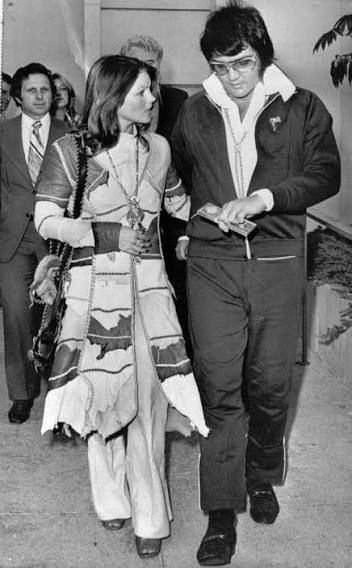
The woman who had once been told she could not stand alone had reached one of the highest honors in entertainment by herself.
The Power of Reinvention
One of the most remarkable things about Cher’s career is her ability to change with the times.
Many performers become trapped by their greatest successes. They spend their careers trying to recreate the moment that made them famous.
Cher did the opposite.
She understood that survival in entertainment requires courage. The world changes. Audiences change. Music changes. The artist who refuses to change risks being forgotten.
Cher continued experimenting with her image and sound.
Then, in 1998, she achieved another incredible career revival with the release of “Believe.”
At a time when many people assumed her biggest achievements were behind her, Cher introduced herself to an entirely new generation. The song became a worldwide success and showed that she could still influence popular culture decades after her first breakthrough.
It was more than a comeback.
It was proof.
Proof that an artist who understands herself can continue evolving.
Proof that experience can become strength.
Proof that reinvention can be more powerful than nostalgia.
The Lesson Cher Learned Through Pain
Cher’s journey was never only about fame.
It was about ownership.
It was about discovering that talent alone is not enough. A person must also understand their value and protect their ability to make choices about their own future.
The experience with Sonny Bono changed her.
Not because it destroyed her.
Because it forced her to grow.
The young woman who entered the entertainment industry looking for guidance eventually became someone who understood business, independence, and personal power. She learned that being loved by an audience was meaningful, but being able to control her own path was equally important.
Her greatest victory was not just winning awards or selling millions of records.
It was becoming the person who decided what came next.
The Woman Who Became Bigger Than the Moment
Many entertainers become famous for a single era.
Cher became something much rarer.
She became timeless.

Her career has crossed generations because she refused to remain the same person forever. She was a 1960s music star, a television personality, an acclaimed actress, a 1990s pop phenomenon, and a cultural icon who continued influencing audiences long after many of her peers had disappeared.
The world first noticed Cher because of her voice.
Then it remembered her because of her style.
But the reason she endured was because of her strength.
She survived a painful personal transformation and turned it into independence.
She lost the partnership that defined her early career and discovered the individual who had been there all along.
When Cher walked into that Los Angeles courtroom in 1975, she was facing one of the most uncertain moments of her life. She was leaving behind the relationship that had made her famous and confronting the difficult reality of rebuilding everything from the ground up.
But that moment was not the end of her story.
It was the beginning of a different one.

A story about a woman who learned that fame can make people recognize you, but independence is what allows you to truly own your life.
Cher did not become a legend because everything was easy.
She became a legend because when everything changed, she refused to disappear.