Snoop Dogg Sparks National Debate: Calling for a Cultural Shift Toward Honoring Veterans and Community Heroes
In a statement that sent shockwaves across social media and news outlets, iconic rapper Snoop Dogg called for a major cultural shift in the United States. Known for his influence in music, pop culture, and social commentary, Snoop Dogg’s latest remarks were unexpected, provocative, and sparked a nationwide conversation about priorities, values, and the ways in which America honors its citizens.
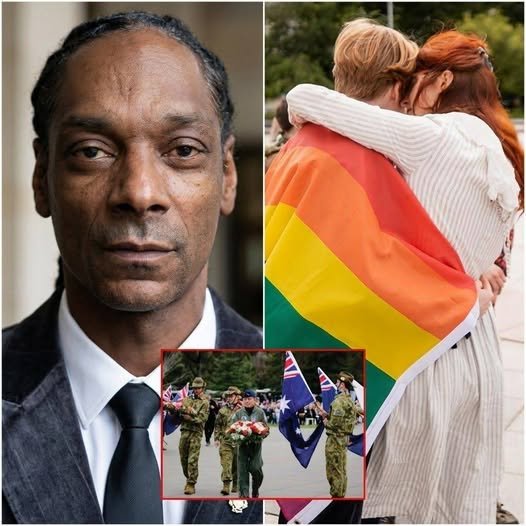
According to the legendary performer, the nation should place more attention, recognition, and funding toward honoring military veterans and community heroes rather than focusing on the expansion of Pride Month celebrations. While Pride Month continues to be an important observance for the LGBTQ+ community, Snoop Dogg’s statement emphasized his perspective that those who have sacrificed their lives, protected the nation, and quietly served their communities deserve greater acknowledgment.
The Statement That Shocked the Nation
Snoop Dogg’s comments were initially released via social media and quickly amplified by traditional news outlets. In his statement, he argued that veterans and everyday heroes—firefighters, teachers, community organizers, and long-serving public servants—often go unrecognized despite decades of dedication and sacrifice.
He said, “We’ve got people out here risking everything, serving their communities, and protecting our nation, and sometimes the spotlight forgets them. We need to honor these real-life heroes.”
The statement immediately ignited fierce backlash online, with users divided over the rapper’s comparison between Pride Month celebrations and recognition of veterans. Supporters praised Snoop for raising awareness about often-overlooked contributions to society, while critics accused him of undermining the importance of LGBTQ+ visibility and inclusivity.

Snoop Dogg on Patriotism and Unity
Following the initial wave of criticism, Snoop Dogg issued a follow-up statement clarifying his position and expanding on his message. He emphasized themes of patriotism, unity, and the importance of remembering traditional American values.
In this statement, he highlighted that honoring those who serve—both in uniform and in civilian life—is a unifying factor that transcends political and social divides. He underscored the idea that celebrating heroism, community service, and sacrifice is a form of civic pride that strengthens national cohesion.
Snoop Dogg’s follow-up remarks struck a chord with many Americans, prompting discussions about what it means to celebrate cultural milestones while ensuring recognition for other forms of service and contribution.
Public and Media Reaction
The rapper’s statements quickly became a hot topic across television, online news, and social media. Hashtags related to the debate trended on Twitter, Instagram, and TikTok, generating millions of impressions.
Some commentators praised Snoop Dogg for sparking conversation about the often-overlooked contributions of veterans and community heroes. Analysts noted that his celebrity status amplified the message, reaching audiences who might not typically engage in discussions about civic recognition or patriotism.
Others criticized him, arguing that his comments created a false dichotomy, suggesting that supporting Pride Month and honoring veterans are mutually exclusive. LGBTQ+ advocacy groups emphasized that visibility and recognition for marginalized communities do not detract from honoring other societal contributions.
The Historical Context of Cultural Recognition
Snoop Dogg’s remarks touch upon broader historical debates about whom society chooses to honor and celebrate. Throughout American history, cultural recognition has often been selective, with certain groups receiving visibility while others remain marginalized.
Veterans, firefighters, teachers, and community leaders have traditionally been celebrated in specific contexts—Memorial Day, Veterans Day, and local awards ceremonies—but their recognition is often limited compared to other cultural events. Snoop Dogg’s statement brings attention to the perceived imbalance in public attention and funding.
Celebrity Influence on Social Conversations
As a cultural icon, Snoop Dogg wields significant influence. His platform allows him to shape conversations, raise awareness, and provoke reflection. The rapper’s intervention in a national debate illustrates the power of celebrity to highlight societal priorities and encourage dialogue on values, resource allocation, and cultural focus.
His comments also demonstrate the risks inherent in using celebrity status to weigh in on sensitive social topics. While visibility can amplify a message, it can also attract criticism and polarize audiences. Snoop Dogg’s experience underscores the balance between influence and accountability in public discourse.
Economic and Cultural Implications
Beyond social commentary, the debate over funding priorities has economic implications. Public funds and private sponsorships allocated toward events, celebrations, and cultural programs are finite. Decisions regarding resource distribution often spark contention, especially when multiple communities seek recognition or support.
Snoop Dogg’s proposal to redirect some attention and funding toward veterans and community heroes invites policymakers, nonprofits, and civic organizations to reassess priorities. It opens questions about how to balance celebration of diversity with recognition of service, and how public sentiment should shape funding and cultural initiatives.

Analysis of the Debate
Experts in social policy, cultural studies, and political science have weighed in on the conversation sparked by Snoop Dogg. Several key points have emerged:
- Visibility vs. Recognition: Advocates argue that visibility for marginalized communities and recognition for service members need not be mutually exclusive. Both can coexist through thoughtful allocation of attention and resources.
- Generational Perspectives: Older and younger audiences may perceive cultural priorities differently. Some emphasize traditional forms of service recognition, while others focus on inclusivity and social justice milestones.
- Role of Influencers: Celebrity opinions can elevate debates and push issues into the national conversation, but they also shape public perception in ways that may oversimplify complex societal dynamics.
- Media Amplification: News outlets and social media platforms play a significant role in framing narratives, influencing how messages are received and discussed.
Voices from the Public
Social media platforms offer a window into public opinion. Responses to Snoop Dogg’s comments ranged from support to criticism:
- Supporters: Many applauded the rapper for highlighting the sacrifices of veterans and community heroes. Comments emphasized respect for service and the importance of civic appreciation.
- Critics: Others argued that his remarks appeared to diminish the significance of Pride Month and marginalized communities’ struggles. Critics emphasized that visibility and funding for LGBTQ+ celebrations do not inherently compete with honoring service members.
- Neutral Observers: Some users encouraged nuanced discussion, urging recognition of both heroes and marginalized groups as vital to the cultural fabric.
The diversity of responses reflects the complexity of balancing social recognition, cultural celebrations, and civic responsibility.
Snoop Dogg’s Personal Brand and Values
Snoop Dogg has long been known for blending music, activism, and cultural commentary. His career reflects engagement with social issues, from criminal justice reform to community advocacy. This statement aligns with his history of using influence to shape conversation and challenge societal norms, even when it provokes debate.
By advocating for greater focus on veterans and community heroes, Snoop Dogg signals a personal value system centered on service, civic pride, and recognition for unsung contributors to society. His stance illustrates how celebrity influence can be leveraged to elevate issues outside the entertainment sphere.
The Role of Veterans and Community Heroes
The conversation also raises broader questions about societal priorities. Veterans, firefighters, teachers, and civic leaders contribute daily to the nation’s functioning and safety. Recognition of these groups through funding, public ceremonies, and cultural attention reflects societal values.
Historically, the U.S. has designated specific holidays and observances—Memorial Day, Veterans Day, Firefighters’ Appreciation Week—to honor service. However, critics argue that these observances receive comparatively limited attention and resources relative to cultural events like Pride Month, music festivals, and entertainment spectacles.
Snoop Dogg’s call challenges both the public and policymakers to consider whether the balance of recognition and support aligns with societal gratitude and priorities.
Balancing Cultural Celebrations
While Snoop Dogg’s statement emphasizes veterans and community heroes, it does not necessarily oppose LGBTQ+ visibility. The debate highlights the challenge of balancing multiple forms of cultural recognition:
- Inclusivity: Ensuring marginalized communities are celebrated and represented.
- Service Recognition: Honoring those who have sacrificed, served, and contributed to the public good.
- Resource Allocation: Determining how attention, funding, and public support are distributed across initiatives.
This tension underscores a broader societal discussion about the values Americans choose to celebrate and fund publicly.

Political and Social Implications
The timing of Snoop Dogg’s statement also intersects with national discourse on politics, social priorities, and cultural identity. By framing the conversation around attention and funding, the rapper invites a discussion about policy, civic responsibility, and the role of public sentiment in shaping cultural initiatives.
The reaction to the statement illustrates the polarizing nature of cultural commentary in the 21st century. Fans, critics, and media outlets all contributed to a lively debate, reflecting America’s diverse perspectives and the challenges of balancing celebrity influence with civic dialogue.
Lessons from the Debate
Several lessons emerge from this cultural conversation:
- Celebrity Commentary Can Shape Public Discourse: Influential figures have the ability to bring attention to issues that might otherwise be overlooked.
- Timing and Framing Matter: How a message is presented impacts public reception and the likelihood of constructive discussion.
- Complexity Requires Nuance: Debates over cultural priorities often involve multiple stakeholders with competing interests, emphasizing the need for careful dialogue.
- Public Engagement Reflects Values: Responses from citizens offer insight into societal priorities, highlighting the importance of listening to diverse perspectives.
These lessons suggest that cultural debates require both thoughtful leadership and informed public engagement.
Conclusion
Snoop Dogg’s call for a cultural shift toward honoring military veterans and community heroes has ignited one of the most compelling national conversations of the year. By emphasizing service, sacrifice, and the often-overlooked contributions of everyday heroes, he has forced a broader reflection on values, recognition, and societal priorities.
While his statement has generated both support and criticism, it underscores the power of celebrity to influence public discourse. It also highlights the challenges inherent in balancing multiple forms of cultural recognition in a diverse, complex society.
Ultimately, the debate sparked by Snoop Dogg invites Americans to consider what they value, whom they choose to honor, and how they allocate attention and resources. Whether one agrees or disagrees with the rapper’s perspective, the conversation demonstrates the enduring importance of public dialogue in shaping a society that respects both its heroes and its cultural milestones.