I was two months behind on rent when I made a decision that everyone around me called reckless. I chose a path that should have ruined my life. 28 years later, something happened that made me question everything I thought I knew about that choice.
I was twenty-two when a little boy changed my life.
At the time, I was an exhausted waitress who could barely make ends meet. My rent was two months overdue, my fridge was almost always empty, and most days I survived on just one meal, if I was lucky.
Still, I refused to let my situation harden me.
Every morning, I tied my apron, forced a smile, and showed up to work as if everything in my life was fine. Customers never knew I was counting coins behind the counter or that I sometimes walked home just to save bus fare.
On weekends, on the rare days I was not working, I volunteered at a local hospital.
It was the one place where my problems felt smaller.
I spent hours reading to children with terminal illnesses, sitting beside their beds, holding their hands, trying to give them something to smile about. I did not have money to give, but I had time. And somehow, that felt just as important.
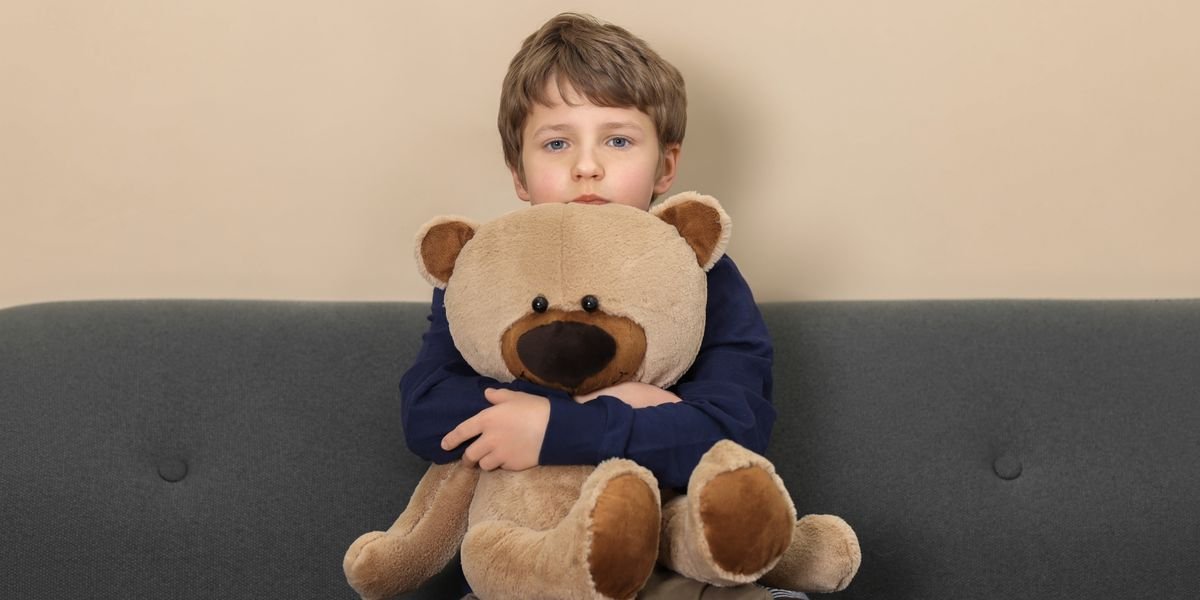
Small. Fragile. Too quiet for a child his age.
A nurse pulled me aside one afternoon.
“He was abandoned,” she said. “Leukemia. No family has come forward.”
“The system tried. But no one wants to take a child like him.”
Her words stayed with me.
The first time I sat beside his bed, he did not speak. He just watched me as I read, his eyes heavy but curious.
Then, halfway through the story, I felt something wrap around my finger.
His hand was small and cold, barely strong enough to grip, but he did not let go.
Something inside me shifted.
I could not explain it. I did not think it through.
I could not let him die alone.
From that day on, I came back whenever I could.
I brought books. Cheap toys. Sometimes nothing at all but time.
And slowly, Leo began to change.
One afternoon, as I stood to leave, he looked at me and asked, “Will you come back tomorrow?”
But that night, lying awake in my small apartment, staring at the eviction notice on my door, I realized something.
Coming back was not enough.
A few weeks later, I did something everyone told me was a mistake.
My landlord had already warned me. My bank account was nearly empty. I could barely take care of myself.
When I told my manager, she pulled me aside near the kitchen.
“You are already picking up extra shifts just to survive,” she said. “And now you want to take in a sick child?”
“I can make it work,” I said.
She shook her head. “No. You are going to collapse. And when you do, what happens to him?”
Her words stayed with me.
At the hospital, it was no easier.
A social worker looked at my file, then at me.
“You have unstable housing. Multiple jobs. No financial cushion,” she said. “Do you understand what you are asking for?”
She leaned forward. “Then say it out loud. What happens if you fail?”
I glanced at Leo through the glass.
“He goes back to being alone,” she snapped at me.
“I will not give up on him. I will not fail,” I assured her.
Friends called me reckless. Coworkers whispered that I was trying to play hero. One of them said, “Some people just do not know their limits.”
But I signed the papers anyway.
The first year nearly broke me.
Leo needed a bone marrow transplant.
Without it, he would not survive.
With it, there was still no guarantee.
The cost was overwhelming, hundreds of thousands of dollars.
Waitressing. Cleaning offices. Taking anything extra I could find.
I barely slept. Barely ate.
Every dollar went to his treatment.
Still, it was not enough.
Bills piled up. I fell behind on everything.
One afternoon, my landlord showed up.
“I have given you enough time,” he said. “You need to start thinking about leaving.”
“I just need more time,” I said.
“You said that last month.” His eyes shifted toward Leo. “This is not realistic.”
Something in me hardened.
The landlord sighed. “Then be realistic about what you can afford.”
The next day at work, I dropped a tray.
Plates shattered across the floor.
My manager rushed over. “You need to get it together. This is not just about you anymore.”
A woman at one table whispered, “This is exactly why people should not take on things they cannot handle.”
I cleaned the mess with shaking hands.
That night, sitting beside Leo, everything felt heavy.
The judgment. The fear. The possibility that everyone else had been right.
“I am so sorry,” I whispered.
He looked at me. “For what?”
The hospital called me in.
“There is a donor,” the doctor said.
“They wish to remain anonymous.”
Then he added, “They are covering all medical expenses.”
In that moment, everything shifted.
Someone out there had given my son a chance.
And I did not even know their name.
Recovery was long, but Leo fought through it.
Day by day, he grew stronger.
Then one day, the doctor smiled.
I cried harder than I ever had.
Leo grew into a kind, steady, thoughtful man.
Life did not suddenly become easy.
I kept working. We kept struggling.
We lived paycheck to paycheck, always careful, always stretching what little we had.
Leo helped as soon as he could.
He took jobs. Paid bills. Tried to carry some of the weight.
But I always told him the same thing.
“I am not your responsibility. Go build your life,” I told him constantly.
“You are my life, mom,” he’d say.
I was fifty when everything changed again.
I opened my banking app, expecting the usual small balance.
Instead, I saw a number that made my heart stop.
I thought it was a mistake.
I called the bank immediately.
“There has been an error,” I said.
They asked me to come in.
At the bank, I was led into a private office.
An older man sat inside, dressed in a crisp suit, holding a sealed envelope.
Before I could speak, the manager said, “We initially flagged the transfer. Given your account history, we needed to verify it.”
Then she turned to him. “Everything has been confirmed.”
He nodded and handed me the envelope.
Inside were medical records.
“It was you,” I said. “You saved my son.”
“My wife and son died in a car accident,” he said quietly. “At the hospital, they asked me about organ and tissue donation.”
“I said yes,” he continued. “It was the only thing I could do for him. The only way any part of him could keep living.”
He paused, his voice unsteady.
“Later, they told me his bone marrow was a match for a little boy who needed a transplant.”
“I did not hesitate,” he said. “If my son could not live, I wanted him to save someone else.”
“Thank you,” I whispered.
“For years, I wondered about that boy. I found out about you, working three jobs, fighting for him.”
“I used to visit the cafe where you worked,” he said. “I would sit and watch from a distance.”
“Why did you never say anything?”
“I did not want you to feel pitied. You deserved dignity.”
I gestured toward the money.
“I am getting old. And I have no one.”
“No family. No one to leave anything to.”
“My son lives through yours.”
Tears streamed down my face.
“I wanted you to have what was meant for him.”
From that day on, he was never alone again.
Leo and I made sure of it.
We visited him every week.
We shared meals. Stories. Memories.
He told us about his wife. His son.
We told him everything about Leo.
Slowly, the loneliness he had carried for decades began to fade.
Sometimes, I thought about the people who once said I was reckless.
And in the end, that made all the difference.
When he passed away, we were there.
Just as he had once held ours, without us even knowing.
After his death, the rest of his savings were donated to a children’s hospital charity, helping families like ours who were still fighting battles they could not afford.
Sometimes I think back to that day in the hospital.
When a small boy reached out and held my finger.
I thought I was saving him.