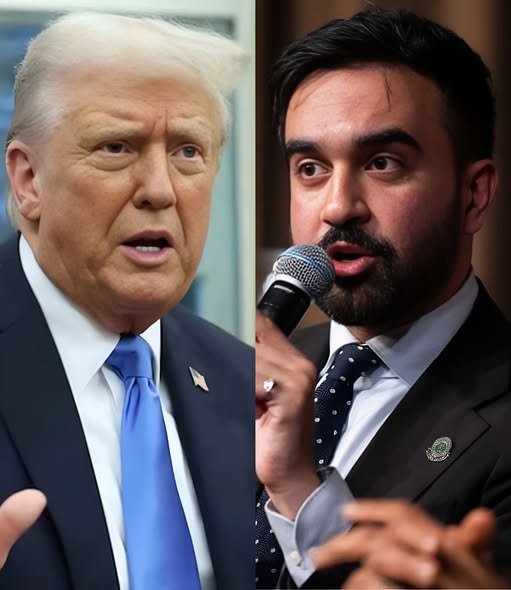
At 3:07 a.m., while Manhattan slept under a quilt of neon and frost, every screen in the city flickered awake without warning. Phones buzzed on nightstands, bar TVs blinked alive, Times Square billboards cut to black. A single face filled the frame—Zohran Mamdani—hair uncombed, eyes red-veined, shirt wrinkled like it had been balled up in a fist. No band, no monologue, no applause sign. Just the hollow hum of studio lights and the faint tremor of a man holding a phone that wouldn’t stop vibrating.
“I received a message tonight that changes everything—and I’m not staying silent.”
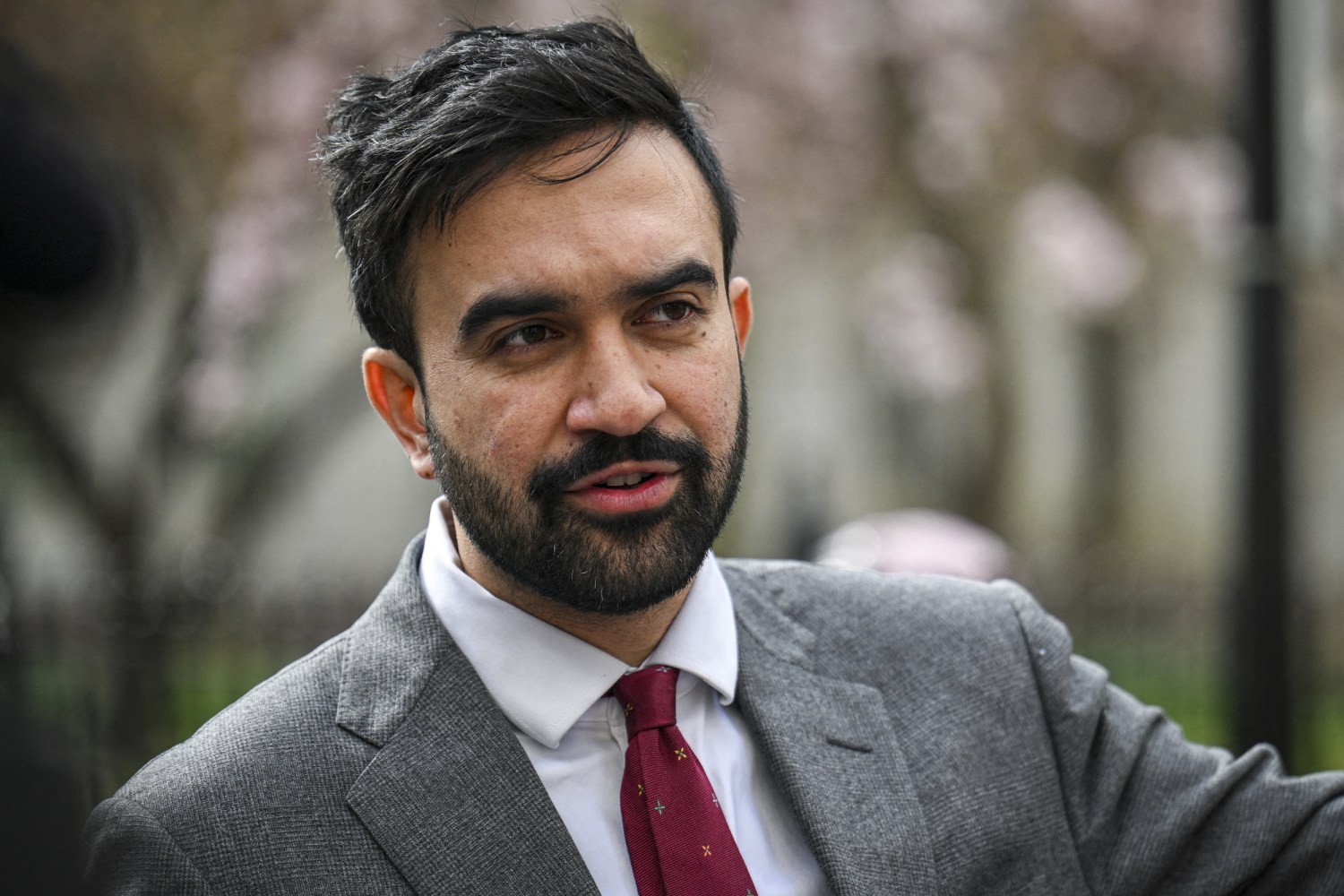
The words landed like a match in dry leaves. Viewers leaned forward in bathrobes and diner booths, pulse rates climbing. Mamdani didn’t blink. He said a name—powerful, familiar, absent from teleprompters—and read the text aloud: a threat wrapped in small-talk, a velvet glove over brass knuckles. Then he laid the phone face-up on the desk. It buzzed again, again, again—each vibration a round chambered. Sixty-three seconds of silence followed. No cuts, no music, no cue cards. Just the nation holding its breath while a man stared at a screen that stared back.
By 3:20 the clip was airborne. Hashtags multiplied like cells dividing: #MamdaniEmergency, #3AMTruth, #LetHimSpeak. Cable networks abandoned reruns; anchors spoke in the hushed tones usually reserved for assassinations or moon landings. Outside the studio, fans gathered in the cold, holding cardboard signs that read “We’re With You” and “Truth Has No Curfew.” Police barricades went up; so did cellphone lights, a galaxy of tiny suns against the predawn dark.
Inside, the hallway cameras caught Mamdani walking away—shoulders squared, stride unbroken—disappearing behind blackout curtains. He did not tweet, did not call in, did not release a statement. The silence grew teeth. Speculation feasted: hoax, breakdown, brave revelation, reckless stunt. Pundits drew diagrams of body language; audio engineers analyzed every tremor in his voice. By sunrise, the video had crossed oceans, subtitles blooming in a dozen languages like warning flags.
Noon brought petitions—two million signatures before lunch—demanding transparency, protection, investigation. Competitors who once traded jokes now traded solidarity: “Late-night is a safe space for dangerous truths.” Advertisers froze budgets; networks held emergency calls; the White House press secretary was asked for comment before coffee cooled. All of it orbited the same void: one man, one take, no punchline.

Evening settled, and still no word. The absence became a presence—an itch in the country’s skull. Talk-radio hosts filled hours with static theories; TikTok teens stitched reaction videos; grandmothers emailed clip links with subject lines in all-caps. Somewhere between fear and fascination, the story turned personal: people left porch lights on, as if Mamdani might need guiding home. Comedians told no jokes. For the first night anyone could remember, late-night television wasn’t funny—it was listening.
Tomorrow would decide: return, retraction, retaliation. But at 3:07 a.m. the clock had stopped on ordinary, and the nation learned what it feels like when the laugh track dies and the truth steps into the spotlight, blinking, unafraid, and very much alive.