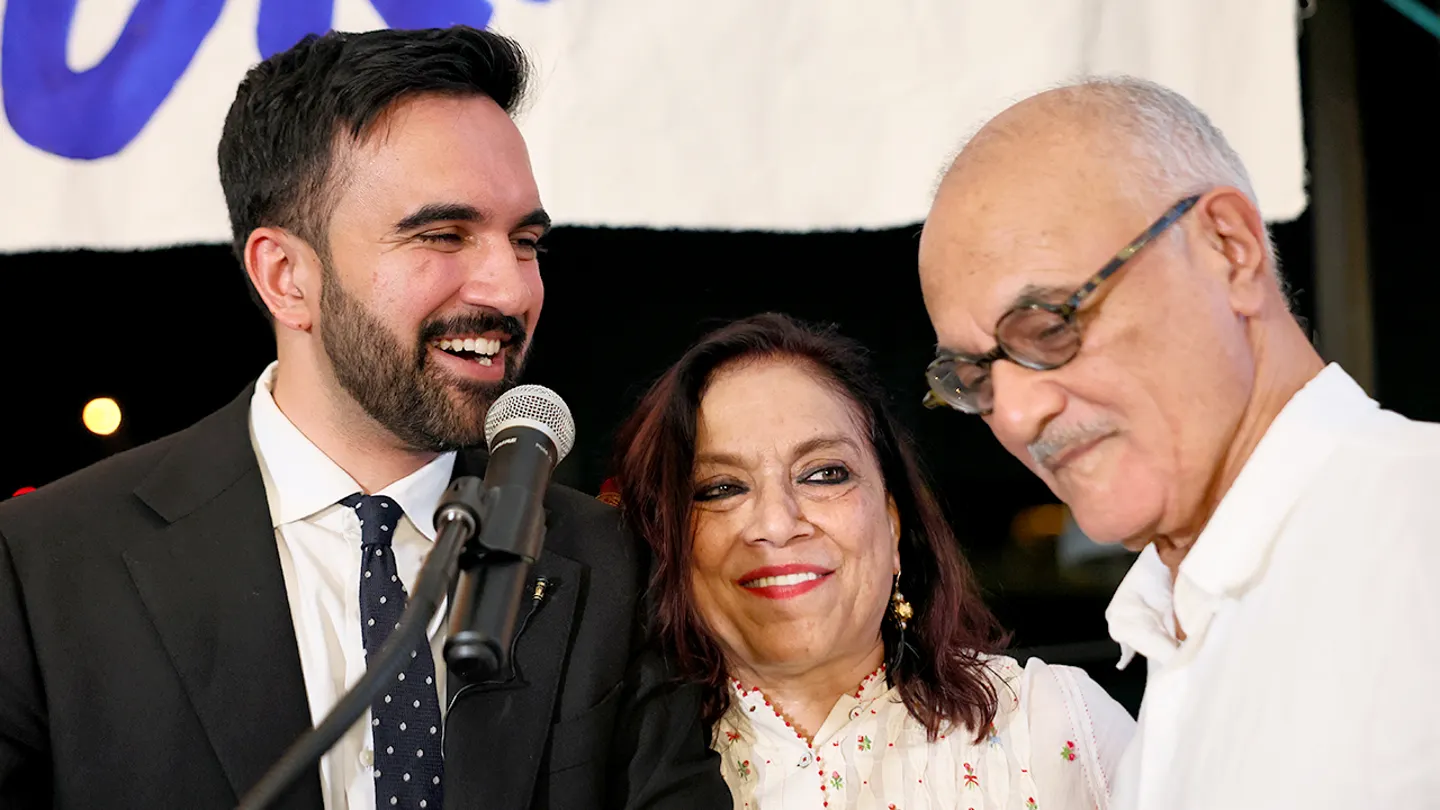
Mahmood Mamdani, whose son Zohran will soon take office as New York City’s next mayor, says Columbia University has turned its campaign against antisemitism into a quiet war against students who dare to criticize Israel. The longtime professor, who stepped away from his teaching post in September, told an online audience that young activists on campus now live in fear of being singled out, punished, or pushed out of school entirely. Instead of opening doors to honest conversation, he argues, the university is slamming them shut.
Mamdani paints a picture of a campus where every poster, chant, and classroom comment is weighed for possible punishment. Students who joined marches or spoke up during rallies, he says, have been suspended, expelled, or called into endless disciplinary meetings. The result is a chilly silence: fewer raised hands, fewer public statements, and a growing feeling that only one viewpoint is welcome. According to Mamdani, this heavy-handed style reminds him of the old colonial trick of turning neighbors against neighbors so that both forget who is really in charge.
The university, for its part, points to its new antisemitism task force as proof of good intentions. The group recently released stories of Jewish and Israeli undergraduates who were insulted in class or told they were guilty of murder because they had served in the Israeli army. One lecturer even labeled major Jewish donors as people who launder blood money, a remark the task force calls unacceptable. Mamdani does not deny these episodes happened, but he questions why other kinds of hatred are left out of the spotlight. If the goal is safety for everyone, he asks, where are the task forces for Islamophobia, anti-Black racism, or anti-Palestinian bias?
The professor had planned to stand before the university senate and plead for a different path. He wanted Columbia to drop the punish-first style and start a campus-wide healing process, one that would bring Jewish, Muslim, Palestinian, and pro-Israel students into the same room to speak and listen. Mamdani fears that the current approach only deepens trenches: each side digs in, counts its wounds, and waits for the next round of accusations. He urges the school to resist turning anti-discrimination rules into a tool for splitting the student body, warning that such tactics echo the divide-and-rule games he witnessed growing up in East Africa.
Columbia has not yet answered Mamdani’s charges in detail, but the tension is unlikely to fade. With his son preparing to run the nation’s largest city, the scholar’s words carry extra weight, and students on every side of the debate are watching to see who will speak next. For now, the campus remains a place where flags, slogans, and fears compete for space, and where the line between protecting one group and silencing another feels thinner every day.