New York’s next mayor says he wants safe subways and safe streets, yet the way he plans to get there is already raising eyebrows at police headquarters.
At one podium, Governor Kathy Hochul and Police Commissioner Jessica Tisch celebrated a twenty-five percent drop in transit crime and promised seventy-seven million more dollars to keep cops on platforms.
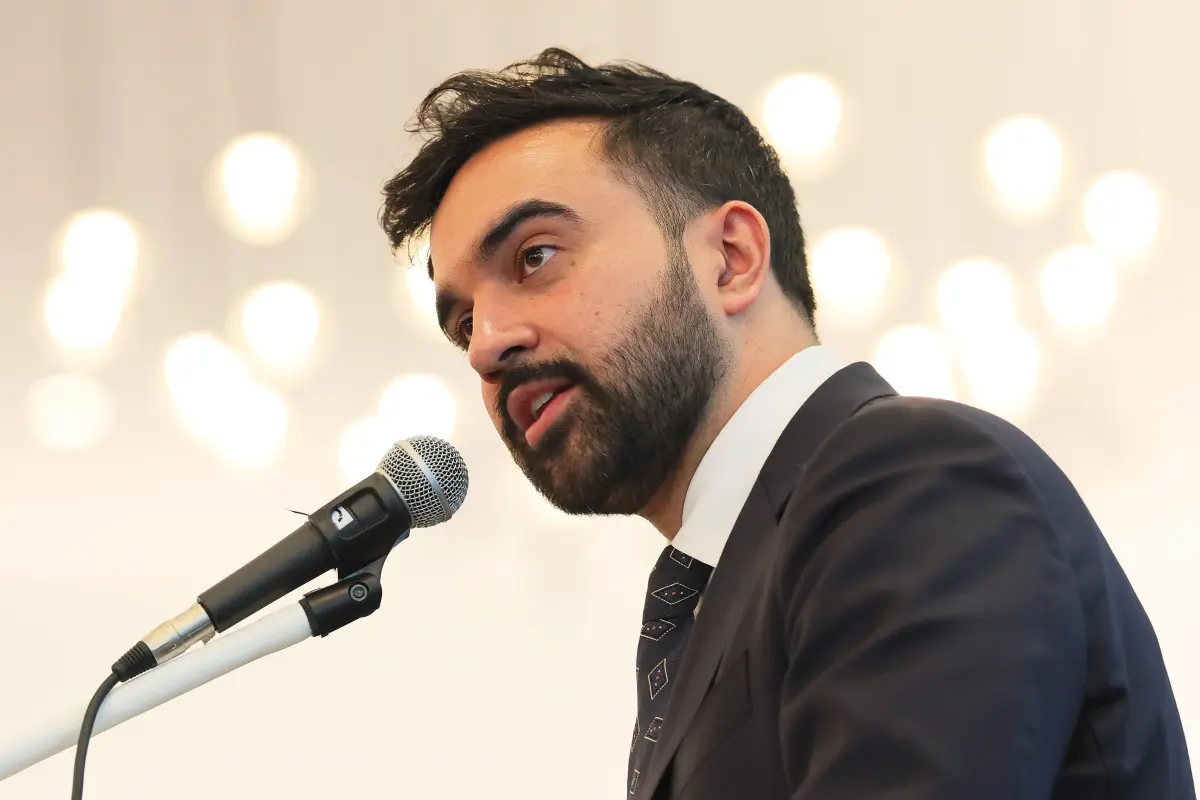
A few miles away, Mayor-elect Zohran Mamdani told a Queens crowd that, starting next year, officers will “no longer” be the first ones sent when someone is homeless or in mental distress.
The two messages sound like they come from different cities, and the gap between them could decide whether the recent crime decline sticks or slips away.
Mamdani’s idea is simple: build a new Department of Community Safety made up of outreach workers, medics, and violence-interrupters who can answer 911 calls that don’t need a gun or a badge.
He says sending police to every sleeping passenger or shouting stranger wastes time, clogs courts, and too often ends in handcuffs or worse.
Councilman Lincoln Restler even filed a last-minute bill to lock the new agency into city law before the new mayor is sworn in.
Supporters cheer the plan as humane and smart, but top cops worry it will yank officers off trains just when their presence is finally working.
Commissioner Tisch has agreed to stay on under the new mayor, yet her praise for “proactive policing” and overtime surges shows she believes boots on the ground drive the numbers down.
Every time a uniform walks a platform, she argues, would-be thieves think twice and troubled riders feel watched over, not watched against.
Hochul has backed that view with real money, pledging state funds to keep the subway surge alive.
Both women say the victory is fragile; ease up now, and the 2022 murder spike could return like a winter cough.
Mamdani insists he is not anti-cop, only pro-balance.
He promises to fund violence-prevention teams, youth jobs, and mental-health drop-in centers, hoping fewer problems ever reach the point where an arrest is the only answer.
Yet police unions hear the rhetoric and picture budgets shrinking while 911 calls still ring.
They remember past experiments where well-meaning social programs arrived late, leaving officers to scramble when a peaceful chat turned into a slashing.
The truth both sides may have to face is that safety is a duet, not a solo.
Outreach teams can talk a troubled man off the edge, but it is still an officer who rides the next train to stop a pickpocket or a predator.
If the new mayor and the old commissioner can merge those missions—cops on patrol, civilians in crisis—New York might keep its rare win.
If they spend the next four years pulling in opposite directions, the city could discover how quickly a fragile calm shatters, and how long it takes to glue the pieces back together.