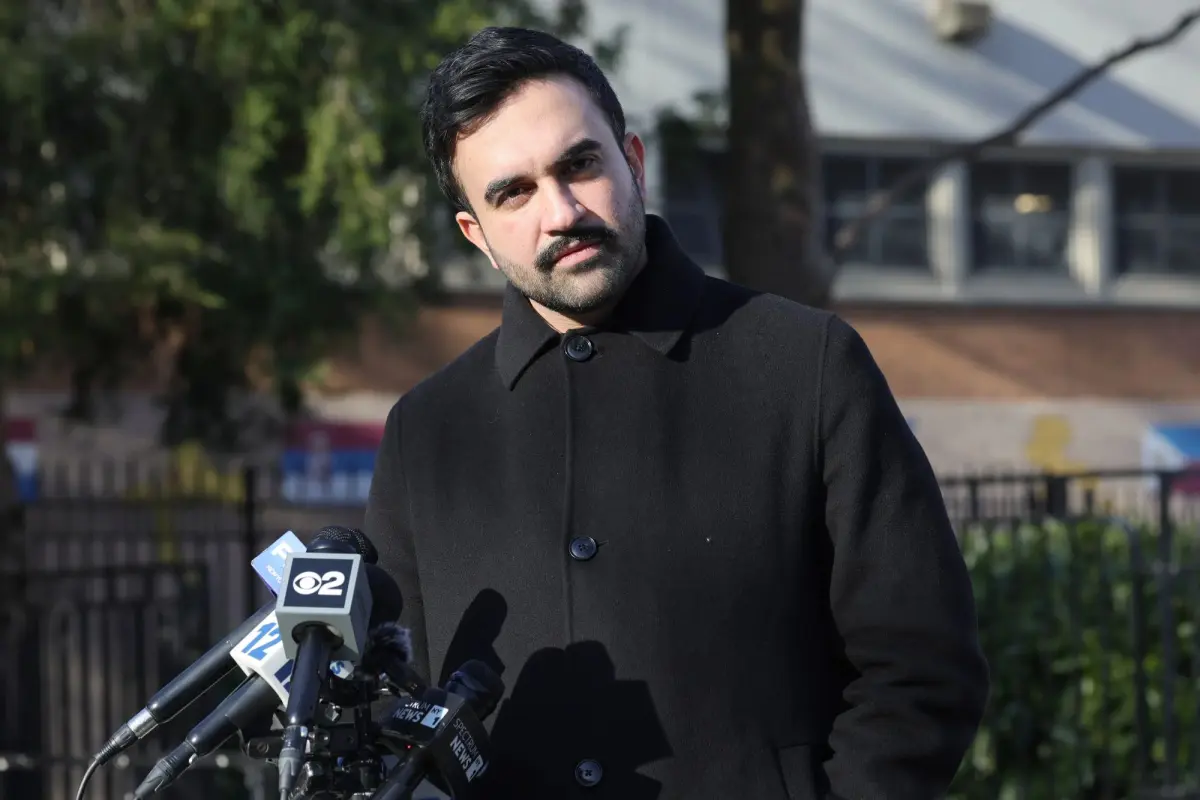
Washington is sharpening its knives for January 1.
While Mayor-elect Zohran Mamdani prepares to take the City Hall oath, federal law-enforcement officials are quietly drafting plans to step in where they expect the new mayor to pull back.
U.S. Attorney for the Southern District Jay Clayton told reporters his office is ready to ramp up prosecutions for gun, drug, and gang cases if city policies “create enforcement gaps,” a message widely read as a warning shot at Mamdani’s promise to abolish the NYPD gang database and curb homeless-encampment sweeps.
The strategy, allies of the president say, is simple: if City Hall won’t chase the worst offenders, the feds will—using tougher federal rules that make bail and plea deals far harder to win.
The blueprint echoes moves already under way in Philadelphia and Memphis, where federal task forces began picking up cases after local district attorneys rolled back incarceration.
In Brooklyn three years ago, the Eastern District started prosecuting gun defendants when the borough’s D.A. pushed diversion programs; convictions rose and street stops fell, a record Clayton’s deputies now study.
They envision a similar jump-in model for Manhattan and the Bronx: NYPD intelligence units flag high-risk offenders, federal agents make the arrest, and federal courts handle the sentencing—bypassing state bail and discovery laws that Republicans call “soft-on-crime.”
The catch: the plan works only if the NYPD shares intel, something Mamdani could limit by directive or budget line.
Governor Kathy Hochul is being urged to join the counter-offensive.
Conservative think-tank analysts suggest she deploy State Police troopers to supplement NYPD patrols, create a state-level gang database, and form a new Strategic Response Group that answers to Albany, not City Hall.
Hochul’s office has so far stayed mum, but allies note she just promised $77 million in overtime to keep cops in the subways and has publicly praised Commissioner Jessica Tisch’s crime-fighting surge—signals she may be open to a parallel force if shootings spike.
Any such move would set up a three-way tug-of-war between a socialist mayor, a moderate governor, and a White House eager to brand Democratic cities as lawless.
Mamdani’s transition team brushes off the federal talk as “election-year chest-thumping,” pointing out that violent crime is down double digits across every major category.
They note the mayor-elect has never called for “no policing,” only for shifting certain duties—mental-health calls, school safety, homeless outreach—to civilian teams, a plan they say frees detectives to focus on guns and gangs.
Still, the inclusion of police abolitionist Alex Vitale and formerly incarcerated activist Mysonne Linen on his policy committee gives critics fresh ammunition to paint the incoming administration as hostile to cops before Day One.
The result is a city bracing not just for a new mayor, but for a potential showdown over who actually enforces the law on New York streets.
The ball now sits with the White House.
President Trump has already created “Safe Task Forces” in Memphis and other cities; replicating that model in New York would require only a Justice Department memo and a handful of assistant U.S. attorneys.
If Washington pulls the trigger, New Yorkers could watch a bizarre spectacle in 2026: federal agents raiding Harlem drug markets while city officials debate shrinking the gang database, state troopers patrolling Broadway as the mayor pushes to cut $1 billion from the NYPD’s overtime budget.
Whether that patchwork approach drives crime lower—or simply confuses accountability—will be the first test of whether a progressive mayor and a conservative White House can share the same city without turning every arrest into a political football.