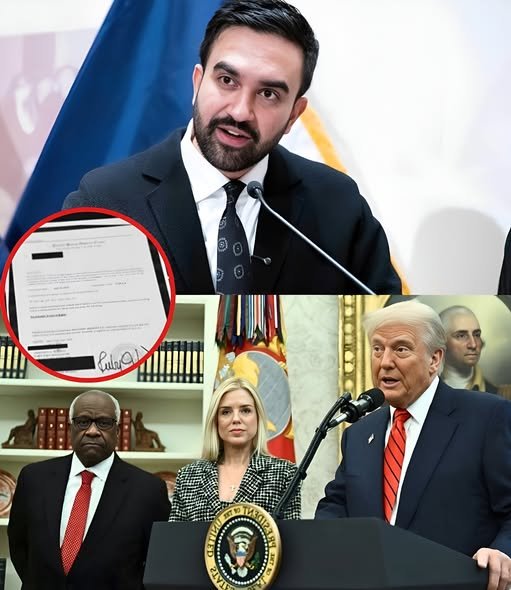
The hearing room looked sleepy until Zohran Mamdani walked in carrying a stack of papers that felt heavier than bricks. Each page was almost solid black—thick bars of ink hiding every word except a few lonely “the”s and “and”s. He placed them on the table like evidence from a crime scene, then looked straight at the Justice Department team and said, “This isn’t transparency. This is a blackout dressed up as a report.” The cameras zoomed in and the sleepy livestream snapped awake; people at home leaned forward the way you do when you smell smoke.

Government officials quickly repeated their favorite shield words: national security, ongoing process, privacy rights. Mamdani listened without interrupting, then lifted one page high so the audience could see a bar wider than two fingers. “If this redaction protects a source, why does it hide the date the investigation started?” he asked. The room went library-quiet; even the stenographer’s keys paused. That quiet felt like a verdict, the kind jurors reach before anyone tells them what the law says. Viewers online started screen-recording, knowing the clip would travel faster than any press release could chase.
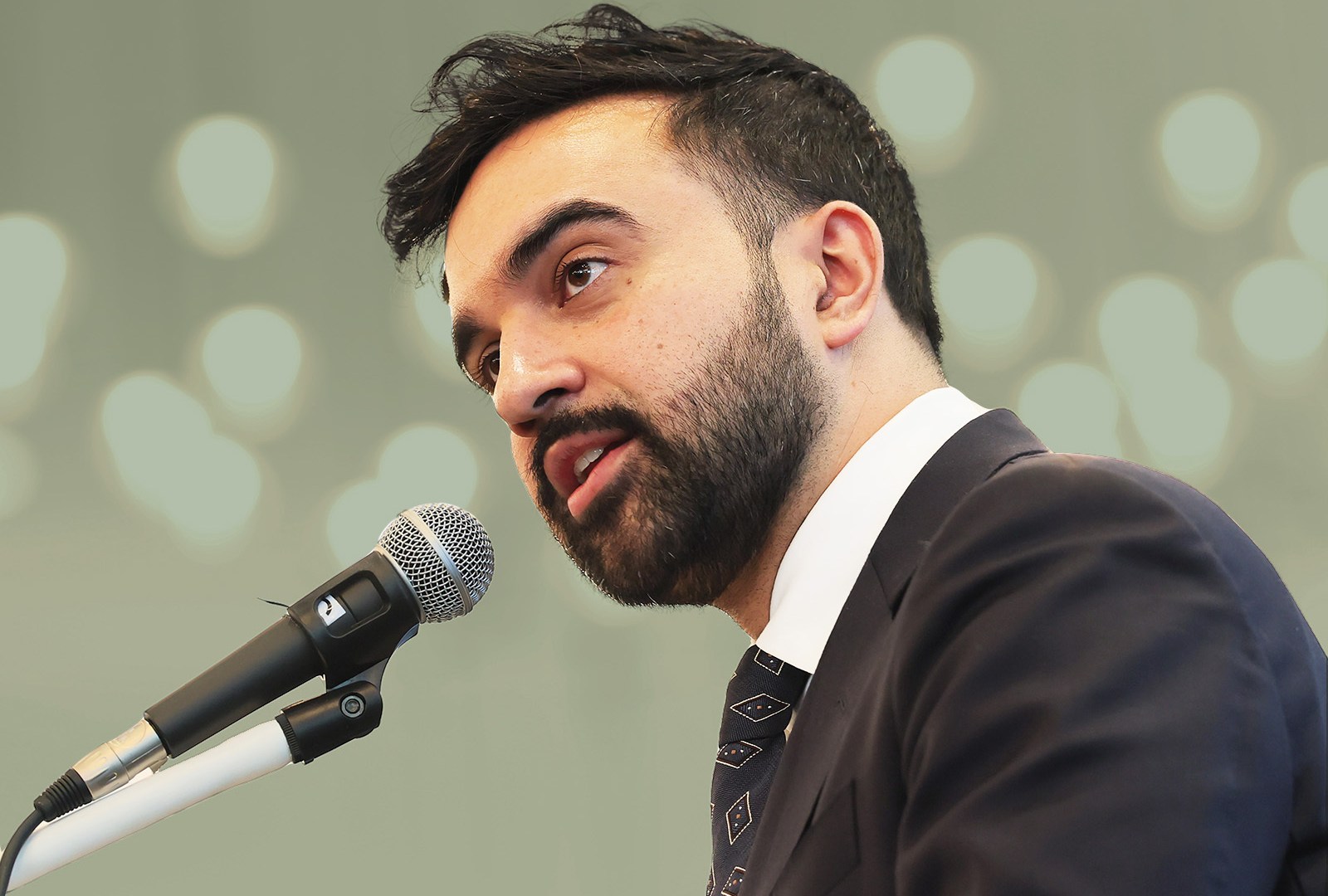
The DOJ’s lead counsel tried to steer the talk back to procedure, explaining that release rules are complicated and take time. Mamdani answered with a nod and a question sharp enough to cut: “Does it take four years to black out a date, or does it take four years to decide which lie fits best?” Gasps floated through the chamber; a few staffers covered their mouths the way people do when they see a fender-bender they can’t stop. Within minutes the moment was on every feed, captioned “New hero” by some and “Show-boater” by others, but either way impossible to scroll past.
Comments sections exploded into two camps. One side posted GIFs of shredders eating paper, claiming the piles prove the department hides crimes. The other side listed real threats—witness safety, foreign alliances, trial fairness—arguing that adult governance needs secrecy. Both tribes talked past each other, because the internet rewards speed, not nuance, and a picture of a blacked-out paragraph is the perfect speed-boost: visual, simple, suspicious. By dinner the phrase “black ink” was trending worldwide, paired with memes of Sharpies marking out birthday cards, job offers, even marriage vows—everyone joking that soon nothing would be left unredacted except pizza ads.
The fallout started before the gavel hit. A junior senator announced a bill forcing agencies to publish redaction logs explaining every blocked line; podcasters sold “Black Ink Matters” mugs; a high-school debate team printed the bars on T-shirts and wore them to regionals. Meanwhile inside the agency, lawyers worked overnight deciding which new sections they could safely release, knowing each delay would be read as proof Mamdani was right. They felt the classic modern trap: if you stay silent you look guilty, if you speak you look defensive, and either way someone is clipping your words into a five-second loop.
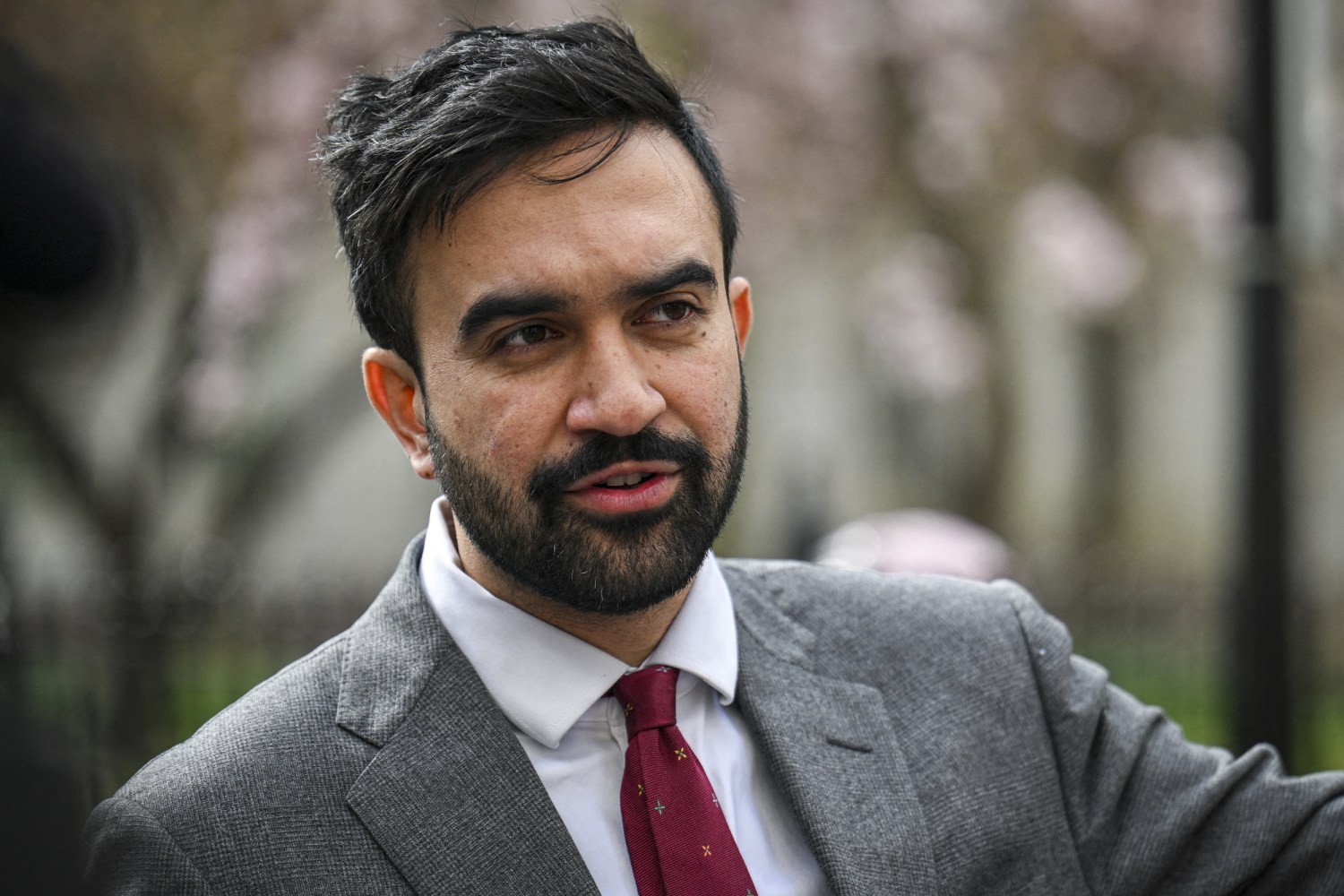
Mamdani left the building without fist-pumping or selfies. He told reporters the goal was never humiliation but daylight: “Sunlight is slow, but ink is fast—today we made the ink famous.” Whether history calls the moment courage or theater, one thing is already certain: the next time officials bring black-barred pages to a hearing, the room will remember the day the bars started screaming, and no one will pretend they are simply routine.