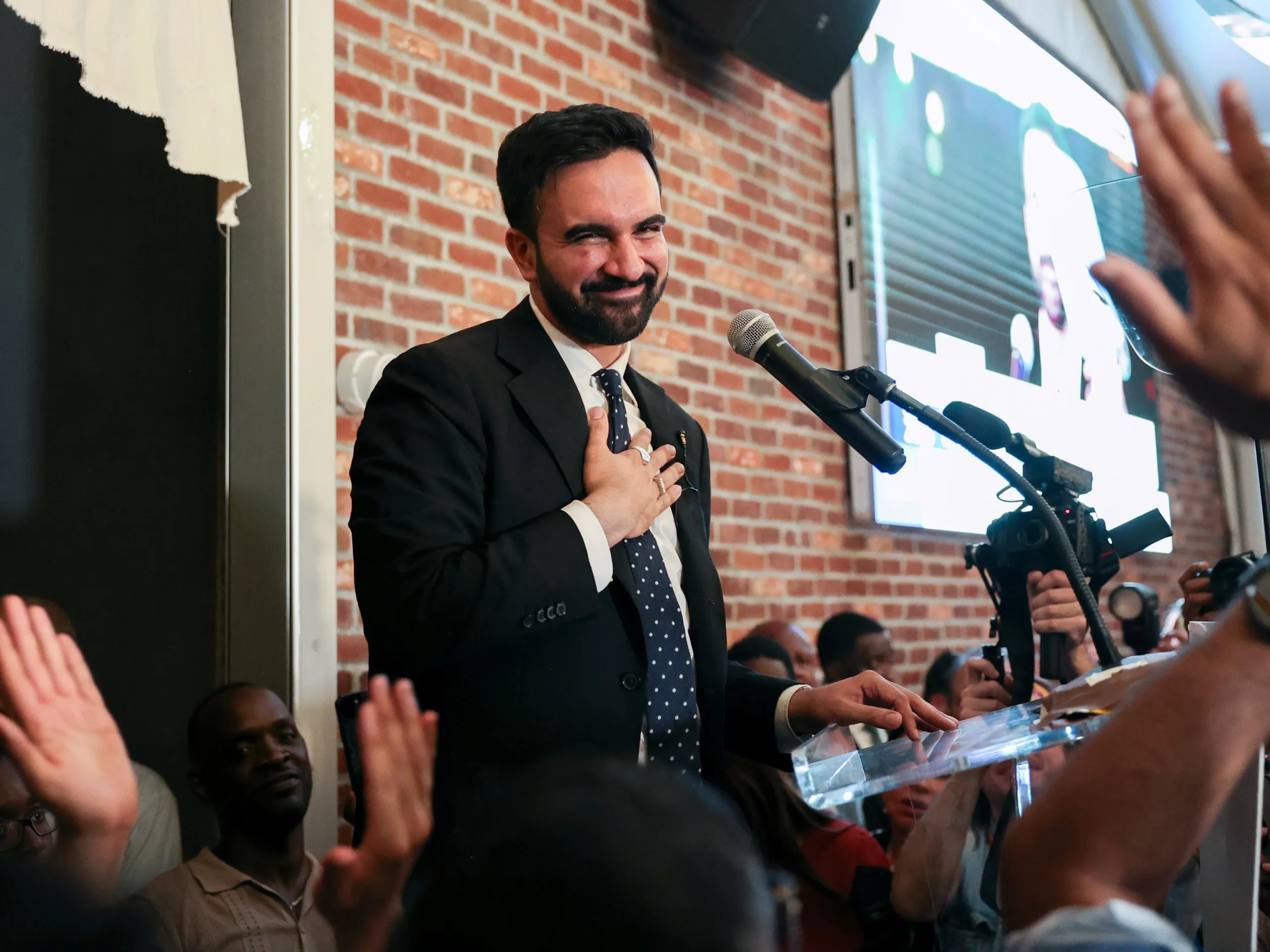
Zohran Mamdani stepped up to the microphone at the airport press pen, but he didn’t talk about weather delays or canceled flights. Instead he held up a single boarding pass and said, “This tiny piece of paper is a mirror. The person you see in it during the next crowded line is the same person you’ll have to live with after you land.” Then he stepped back, letting the words walk around the room by themselves. No charts, no slogans, no promises that bags will arrive on time—just a quiet reminder that the real carry-on is our mood, and it travels free.
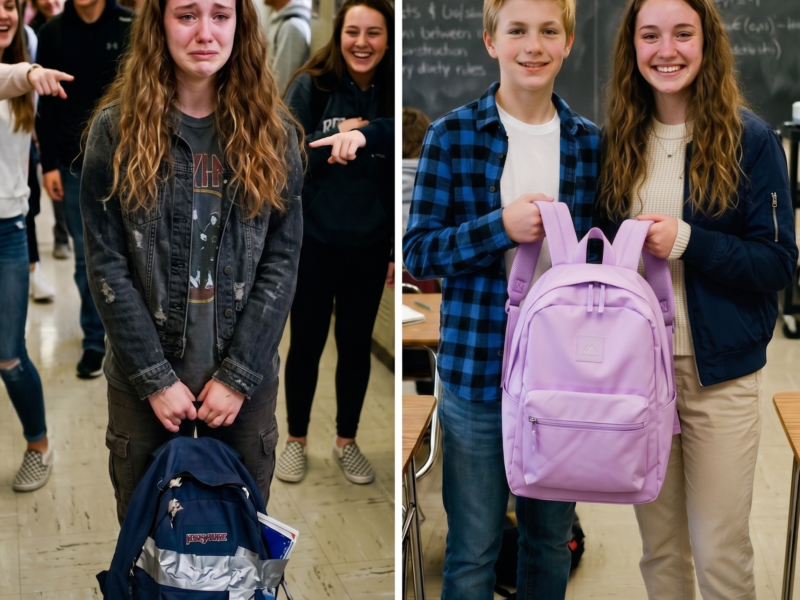
Holiday travel is a stew of feelings: kids jittery for Grandma’s cookies, dads worried about rent, flight crews finishing their third long day, TSA agents standing since dawn. Mamdani asked everyone to picture that stew before they speak. He told the story of a gate agent who spent Christmas Eve rebooking a storm-stranded family, only to be called “useless” by the next customer in line. The agent went to the jet-bridge, cried for thirty seconds, wiped her eyes, then smiled at the next planeload. “She gave grace,” Mamdani said, “but she had to dig into her own holiday spirit to find it. Don’t make people dig deeper than they already have.”

Social media, usually quick to roast any politician for breathing, mostly nodded along. One traveler posted a selfie from a jam-packed shuttle bus captioned, “Trying to be the person Mamdani thinks I can be.” Another wrote about handing his last snack bar to a stranger whose toddler was melting down. No one tracked whether the gesture sped up boarding, but several people said the cabin felt calmer, like everyone had inhaled at the same time. Small moments, big echo.
Airline workers noticed. A baggage handler tweeted that mornings after public kindness appeals are “nicer shifts—fewer bags slammed, more ‘thank yous’ heard.” A pilot added that when passengers greet the crew while boarding, on-time departures tick up a hair, because cooperation saves minutes, and minutes saved prevent domino delays. Kindness, it turns out, is a ground-crew member who doesn’t need a badge.
Mamdani’s message won’t empty the security line or widen the seats. Flights will still vanish from the board, babies will still cry, and someone’s gift will still end up in Denver when it was headed for Detroit. But the speech gave travelers something firmer than hope: a plan. Look up from your phone, meet a pair of eyes, speak in a voice lower than frustration. The plan costs nothing, fits in any pocket, and never needs to be switched off during takeoff. If it works, the holiday story you retell won’t be the one about the delay; it’ll be the one about the stranger who made the wait feel shorter.