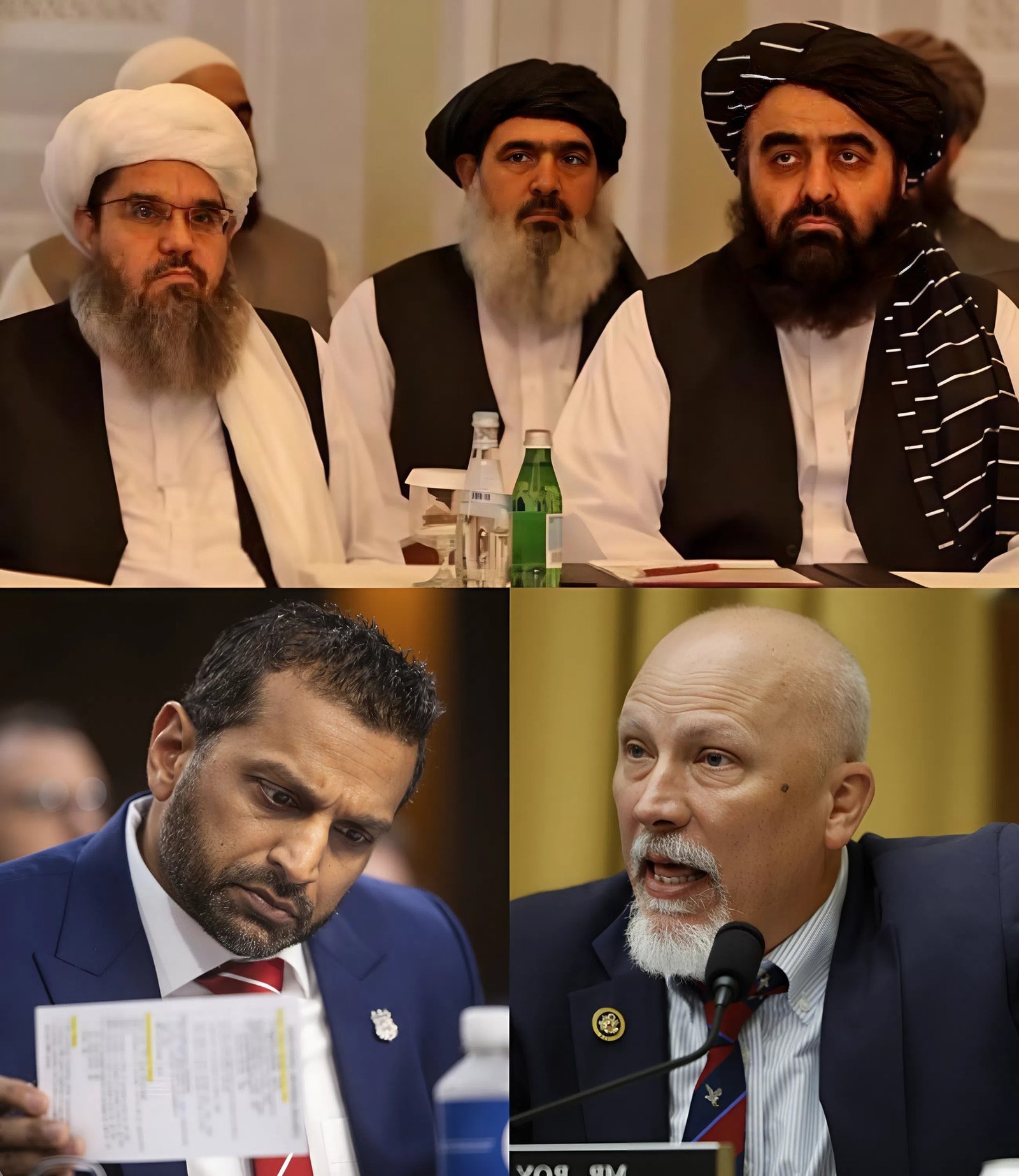
The press release arrived with a thunderclap title: “American Sharia Freedom Act.” Inside the document, the words were softer, dressed in legal cotton, but the headline had already done its job—painting a danger most Americans have never met. Representatives Chip Roy and Kash Patel stood at the podium promising to keep “medieval law” out of courtrooms, as if gavels were about to be swapped for scimitars. They spoke of protecting women, free speech, and fallen soldiers, wrapping the bill in so many flags you could hardly see the paper underneath.
Yet when you brush aside the banners, the bill is a mirage. No federal judge is secretly ordering hands cut off in Kansas. No appellate court in Vermont is swapping the Constitution for a religious code. The sponsors could not point to a single case where Shariah trumped the Bill of Rights, so they pointed instead to “principles” and “values,” safe targets that never file defamation suits. The proposal outlaws something that is not happening, then claims credit for saving the republic.
Supporters cheer because the mirage feels real. Social-media feeds have spent years turning foreign words into Halloween monsters, so a law that bans the monster sounds like common sense. Polls jump, campaign coffers fill, and cable hosts get a new fire to warm their ratings. Meanwhile, actual problems—backlogged courts, overloaded public defenders, family-court delays that leave kids in limbo—keep humming in the background, too boring to trend.
Opponents see the stunt for what it is: a bull’s-eye pasted on Muslim neighbors who already get side-eyes for praying in airports. Civil-rights lawyers warn that the bill’s broad language could trip into private contracts—wills, marriages, business deals—where faith traditions guide people who choose them freely. If two businessmen agree to settle a dispute through religious arbitration, the bill could boot their agreement out of court, not because it hurts anyone, but because it sounds foreign. Today the target is Islam; tomorrow it could be Jewish law, Catholic canon, or Indigenous customs—any code that doesn’t sound like the majority’s echo.
The wider tragedy is the waste of oxygen. Congress has weeks, not months, to fund courts, fix cracked probation systems, and update aging computer networks that crash and erase records. Instead, cameras will chase a hearing room packed with posters of veiled women and stock photos of whips—images chosen for shock, not accuracy. Staffers will spend nights writing talking points instead of reading briefs on opioid-restitution cases or the backlog of asylum claims. The clock will tick, the headlines will roar, and the real work will wait for a quieter season that never comes.
America has always wrestled with fear dressed as safety. We locked citizens in camps during wartime, chased ghosts in cold-war hearings, built walls against languages we didn’t speak. Each time we later apologized, built museums, and promised to do better. This bill is the newest exhibit in that long hall of mirrors—loud, proud, and solving nothing. If lawmakers want to defend the Constitution, they should start by reading it: the part that says no religious test shall ever be required, the part that protects the free exercise of faith, the part that trusts citizens to choose their own contracts as long as they hurt no one. Those words are already carved in marble, no extra ink required.
The fight over the “Sharia-Free America” Act will eventually fade, like earlier panics, leaving behind campaign clips and donation receipts. What won’t fade is the memory for the communities told they are suspects in their own country. Long after the cameras move on, mothers will still whisper to kids, “Don’t speak Arabic on the plane,” and fathers will still hesitate before wearing a kufi to the mall. That is the real cost of a law that hunts shadows: it trains the living to hide, and it teaches the republic to fear itself.