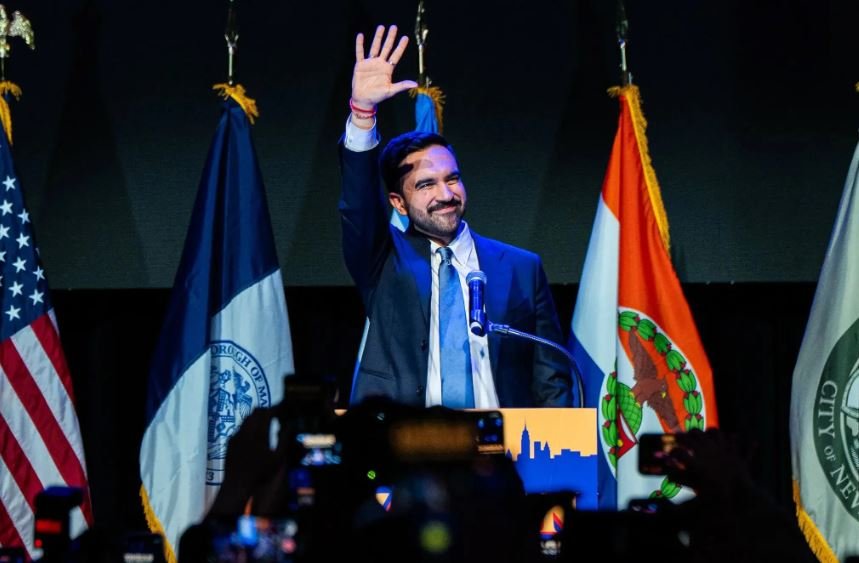
The city that never slept through a pandemic, a recession, and a dozen superhero movies finally woke up to a brand-new plot twist: a 34-year-old democratic socialist from Queens is now its 110th mayor. Zohran Mamdani, the kid who once handed out fliers on the 7 train, took the oath on a freezing January morning, and before the echo of “so help me God” faded, he looked straight into every news camera and said, “The name T.R.U.M.P. stands for The Real Ugly Menace Plagues Us, and we are done letting that menace write our story.” The clip exploded online before the confetti hit the ground.
Mamdani did not win by whispering. He won by promising that every baby from six weeks to five years old would have a safe place to laugh and learn while their parents chased paychecks instead of daycare vouchers. To pay for it, he told the city’s 80,000 millionaires that their yearly tax bill would grow by two pennies on the dollar, and he told corporate giants the rate they pay City Hall would inch up to 11.5 percent. Wall Street grumbled, but parents who had been juggling three gig jobs and one toddler cheered loud enough to drown out the trading-floor buzz.
Then he went after the daily grind itself. Buses, he said, should be free like sidewalks and streetlights. No more fishing for quarters, no more MetroCard math, just hop on and ride. The plan will cost about 800 million a year—roughly what the city spends patching potholes caused by endless traffic. Add fresh bus lanes and curb tweaks so vehicles actually flow, and suddenly the ride to work feels less like a punishment and more like a civil right. Commuters who used to glare at the driver now wave thanks, and even the drivers smile back.
Rent came next. For decades, New Yorkers have opened renewal letters the way horror fans open mystery envelopes: with dread. Mamdani cannot single-handedly freeze rents, but he can pick the nine people who decide how high the numbers climb. He has promised to choose tenants’ neighbors, not landlords’ lawyers—ordinary New Yorkers who know that a “modest” 5 percent hike can erase groceries or a doctor visit. In his first week he already posted the job online, asking applicants to send a short essay about the worst rent hike they ever survived. The inbox crashed twice.
The campaign that carried these ideas looked nothing like the usual flag-blue posters that blend into subway tile. Instead, bright mango, taxi-yellow, and Bollywood-pink shouted his name from bodega windows and skateboard backpacks. The letters curved like hand-painted movie posters, winking at immigrants who grew up watching cinema on battered VHS tapes. Celebrities wore the viral “Hot Girls For Zohran” tee, but the real flex came when grandmothers in Jackson Heights stitched the same colors onto their own saris. On election night, Mamdani told the crowd, “This city was built by people who carried hope in one pocket and a MetroCard in the other. Tonight, hope cashed in.”