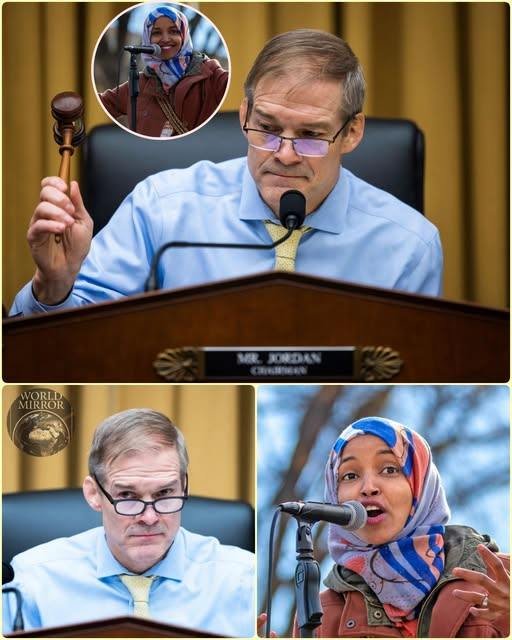
A brand-new plan now bouncing around Congress is shaking up the whole country. One lawmaker, Jim Jordan, says he wants to change the Constitution so that only people born inside the United States can ever become President, Vice President, or even a member of Congress. His short, sharp slogan, “If you weren’t born here, you’ll never lead here,” has lit a wildfire of argument from coast to coast. Supporters cheer, opponents boo, and everyone else is caught in the middle, wondering what it really means to be “American.”
The idea sounds simple: lock the top jobs of the nation behind a birthplace gate. Jordan and his allies believe that leading America should be a birthright privilege, not something open to people who arrived later in life. They say a person who spent childhood somewhere else might carry hidden loyalties, speak with an accent of the heart, or think of another flag when times get rough. In their eyes, the only way to keep the White House and Capitol pure is to make sure every future leader first drew breath under stars and stripes.
Yet millions of naturalized citizens hear the plan as a slap in the face. Doctors who fled war, soldiers who earned purple hearts, teachers who raised American kids, and business owners who pay stacks of taxes all get told, “Thanks, but you will always be second-class.” Critics call the idea legal discrimination dressed up in patriotic colors. They remind the country that the Constitution already asks every new citizen to swear a single loyalty, and many say that oath with more passion than people who never chose America at all.
Courtrooms are now buzzing with talk of lawsuits. Lawyers point to the Fourteenth Amendment, the same clause that ended slavery, because it promises equal protection to every citizen. If the plan becomes law, they say, a natural-born citizen and a naturalized citizen would no longer share the same ballot box, the same dream, or the same shot at the highest glass ceiling. Judges could spend years untangling that knot, and the final voice might belong to the nine Justices on the Supreme Court who guard the Constitution like referees at a never-ending match.
Meanwhile, street corners, talk shows, and family dinner tables feel the heat. Some parents explain to worried children that the country they love might not love them back. Other families cheer, convinced the move will shield traditions they fear are slipping away. Pollsters count opinions, campaigns raise money, and social media feeds turn into battlefields of memes and shouting caps. Whatever happens next, the fight has already changed the conversation. The question “Where were you born?” now carries the weight of “Who do you trust?” and the answer may redraw the map of American identity for generations.