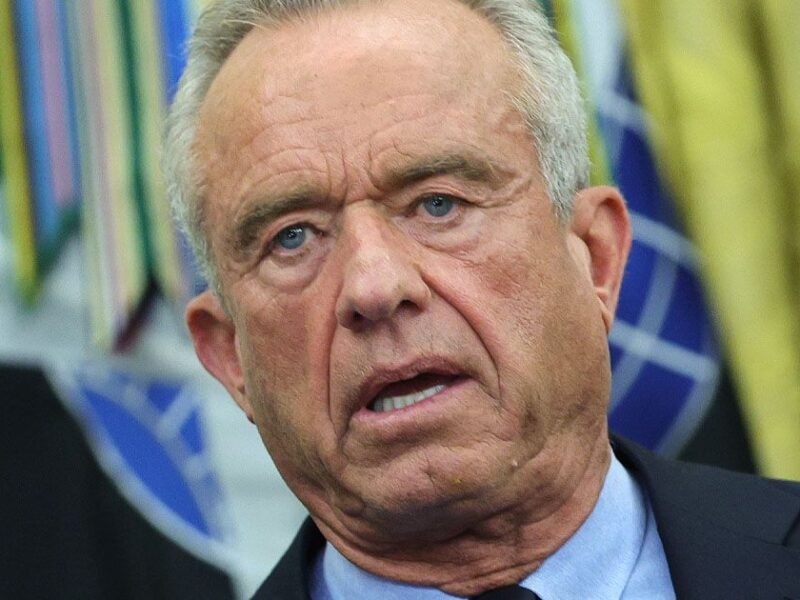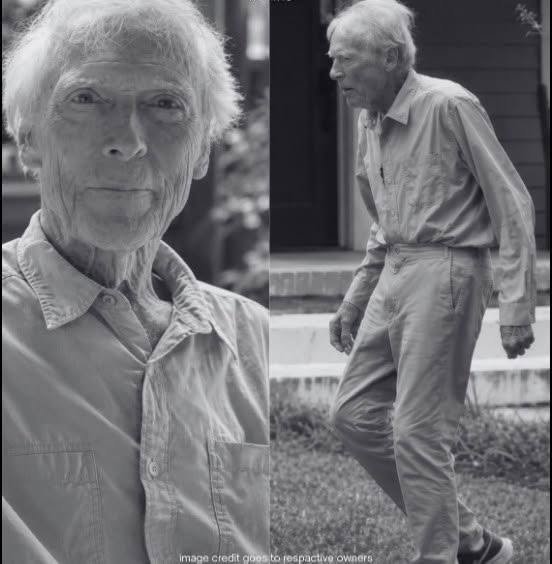
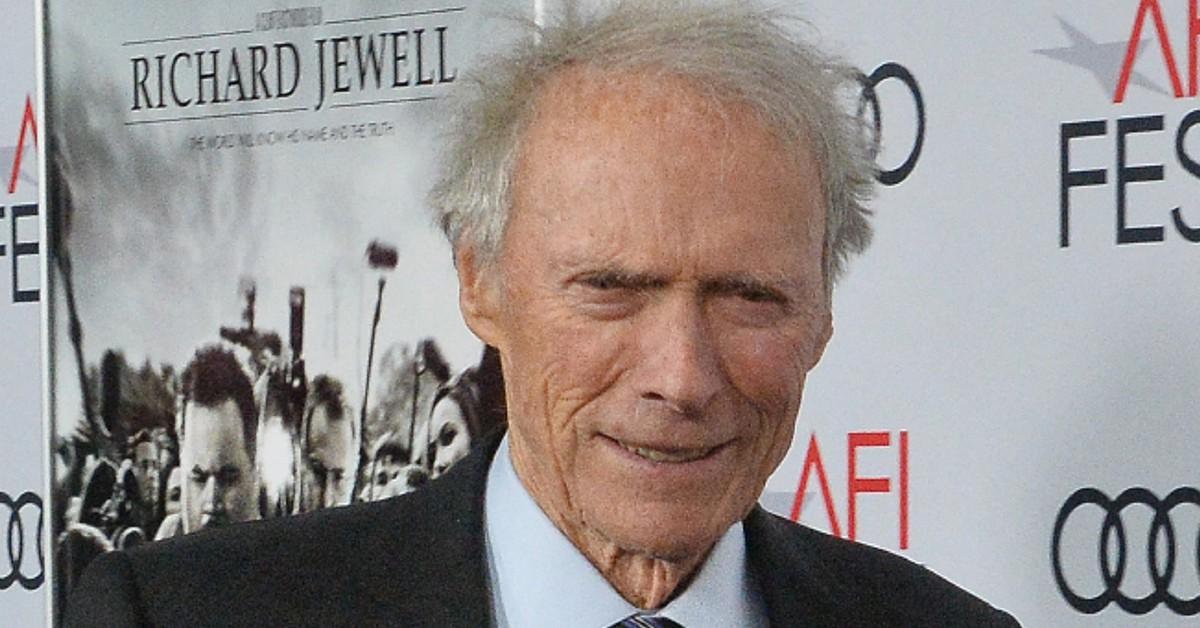
At 96 years old, Clint Eastwood has lived a life most people can only imagine.
He has stood in front of cameras for more than seven decades. He has portrayed cowboys, soldiers, detectives, and men who carried their burdens quietly. He became one of Hollywood’s most recognizable faces, a symbol of strength, independence, and resilience.
For generations, audiences saw Eastwood as the man who never backed down. The character who walked into danger without fear. The voice that delivered unforgettable lines with calm confidence. The filmmaker who continued working long after many others had retired.
But behind the legendary image is something far more human.
Aging.
And when Eastwood spoke about what happens when a person reaches their nineties, he did not offer the usual Hollywood version of growing old — the carefully polished message about “embracing every moment” and pretending that time leaves no scars.
Instead, he described aging with the same honesty that defined many of his greatest roles.
He talked about the body slowing down. The simple movements that become difficult. The changes that happen quietly, day after day. The moments when the person you see in the mirror no longer completely matches the person you still feel yourself to be inside.
And perhaps most importantly, he talked about something many elderly people experience but few openly discuss:
The loneliness.
The silence that arrives when the people who shared your memories are no longer there.
The strange feeling of carrying an entire lifetime of stories while having fewer and fewer people left who remember the beginning chapters.
Eastwood’s words were not meant to create fear about growing older.
They were a reminder.
A reminder that behind every elderly person is a universe of memories, experiences, victories, losses, and stories that deserve to be heard.
Because aging is not just about losing abilities.
It is also about carrying a lifetime of meaning.
The Reality of Aging: When the Body Begins Writing Its Own Rules
For most of his life, Clint Eastwood represented physical confidence.
He was the man riding across the desert in western films. The character who walked into a dangerous situation without hesitation. The actor who performed demanding roles well into an age when most people had already stepped away from the spotlight.
But time eventually comes for everyone.
Even legends.
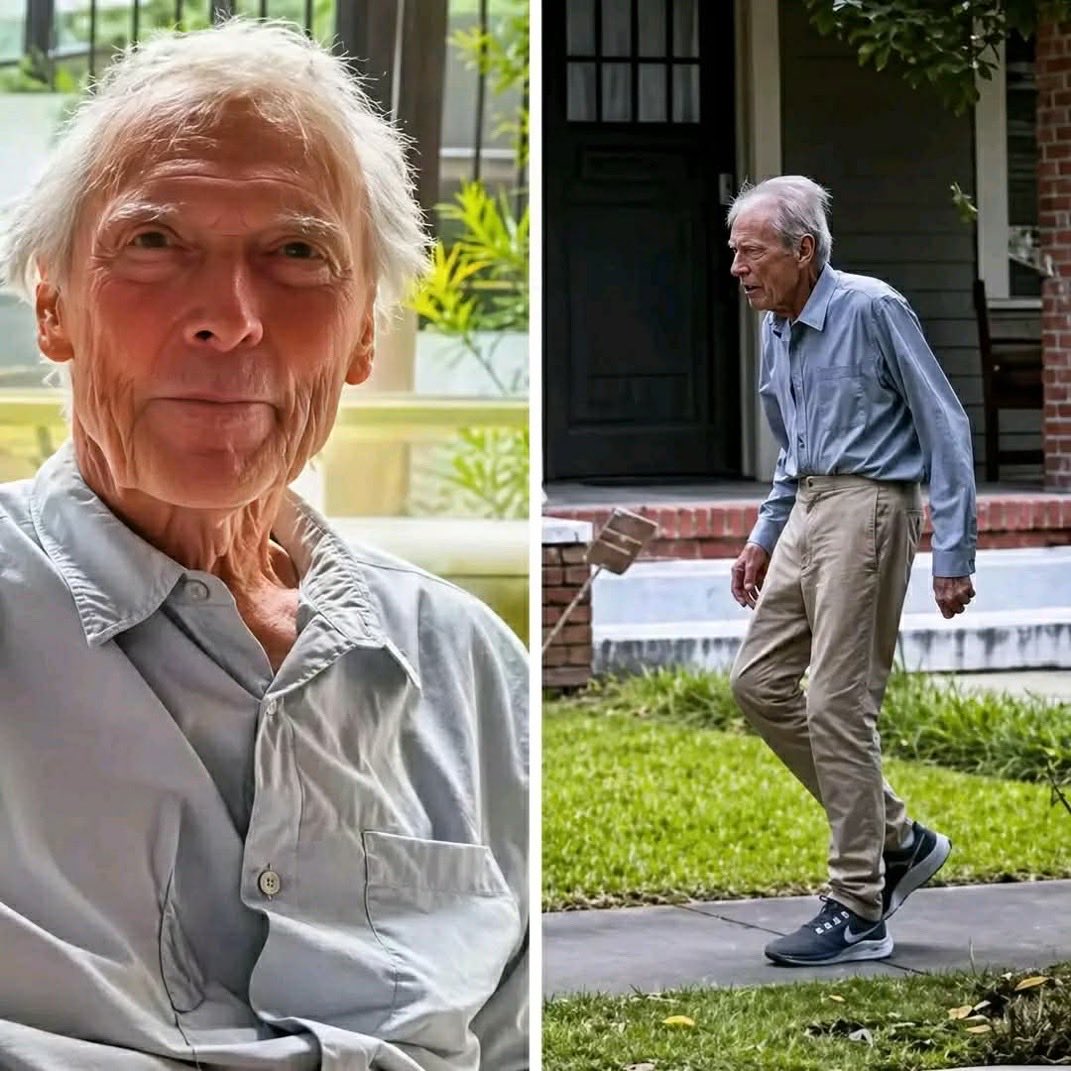
The human body is not designed to remain unchanged forever. The muscles that once responded instantly begin to require more effort. Joints become less flexible. Balance becomes something that must be carefully maintained rather than taken for granted.
Simple tasks that once required no thought suddenly demand attention.
Standing up.
Walking across a room.
Climbing stairs.
Carrying groceries.
Opening a jar.
These small actions become reminders that the body has entered a different stage of life.
Eastwood described this reality without pretending otherwise.
The eyes become more sensitive. Bright lights can become uncomfortable. Breathing may require more effort. Energy levels change. Recovery takes longer.
The body that once felt automatic begins asking for patience.
And that can be one of the most difficult emotional adjustments.
Because inside every aging person is still the same individual who once ran, worked, danced, traveled, competed, and dreamed.
The mind remembers the younger body.
The body remembers the years.
That difference creates a quiet conflict many older adults understand deeply.
A person may still feel young inside while their reflection tells another story.
They may still have ideas, curiosity, humor, and wisdom, even when their physical abilities begin to change.
This is one of the most important truths about aging:
Getting older does not mean becoming less human.
It means learning how to live in a body that has a longer history.
The Hidden Pain of Extreme Old Age: Losing the People Who Knew Your Story
Physical decline is difficult.
But for many people who reach their nineties, the hardest part is not the aching joints or slower movement.
It is the disappearance of familiar voices.
Imagine living long enough that nearly everyone who knew you when you were young has passed away.
The friends who laughed with you before adulthood.
The classmates who remembered your dreams.
The neighbors who watched your children grow.
The coworkers who shared your struggles.
The people who knew the version of you before success, before responsibilities, before time changed everything.
Eventually, those connections become memories.
A person can reach an age where they are surrounded by people who love them, yet still feel lonely because almost nobody remembers the same world they remember.
This is a unique kind of loneliness.
It is not simply being alone.
It is being the last person carrying a shared history.
An elderly person may remember a song that instantly brings back a specific summer from 70 years ago. They may remember a family tradition that no longer exists. They may remember people whose names mean nothing to younger generations.
To them, those memories are alive.
To everyone else, they are history.
And that gap can be painful.
The phone rings less often.
Visits become shorter.
Conversations become more rushed.
The world becomes faster while their own rhythm becomes slower.
Modern society often celebrates youth, speed, and constant productivity. But there is little attention given to the emotional experience of those who have lived the longest.
We celebrate someone turning 100 years old.
We rarely ask how it feels to be 100.
Why Older People Repeat Their Stories
One of the most misunderstood behaviors of elderly people is repeating stories.
A grandfather tells the same story about his first job.
A grandmother describes her wedding day for the tenth time.
An older neighbor remembers the same childhood event again and again.
Younger people sometimes become impatient.
They think:
“I’ve already heard this.”
But perhaps they are missing the deeper meaning.
Older people are not always repeating stories because they forgot they already told them.
Sometimes they repeat them because those stories are pieces of themselves.
Every person carries an internal timeline.
A collection of moments that explain who they became.
The first time they fell in love.
The hardest challenge they survived.
The person who changed their life.
The mistake they learned from.
The moment they felt proud.
The goodbye they never forgot.
When an elderly person tells these stories, they are not simply sharing information.
They are preserving their identity.
They are saying:
“I was here.”
“I experienced something.”
“My life mattered.”
Memory is not just about the past.
It is also about connection.
When someone listens patiently to an older person’s story, they are offering something incredibly valuable:
Recognition.
They are telling that person:
“Your experiences are important.”
“You are still part of this world.”
“You are still someone worth hearing.”
The Danger of Treating Aging Like Something to Hide
Modern culture often sends a confusing message about aging.
People are encouraged to live longer, but they are rarely encouraged to openly talk about what that longer life actually feels like.
There is enormous attention placed on staying young.
Anti-aging products.
Youth-focused entertainment.
Constant messages about appearance and performance.
But aging is not a failure.
Aging is evidence of survival.
Every wrinkle represents time endured.
Every scar represents something overcome.
Every gray hair represents years of experiences that younger people have not yet lived.
The goal should not be pretending that aging does not happen.
The goal should be creating a world where people can age with dignity.
A society is judged not only by how it treats its children, but also by how it treats those who came before.
The elderly are not simply people waiting at the end of life.
They are living archives.
They carry memories of wars, economic struggles, cultural changes, family histories, and personal victories.
A person in their nineties may remember a world that no longer exists.
They may remember technology before computers, communication before smartphones, and communities before everything became digital.
Their memories are pieces of human history.
And when those voices disappear, something irreplaceable disappears with them.
Clint Eastwood’s Message Was Bigger Than Aging
Although Clint Eastwood is a global icon, his reflections on aging are not really about celebrities.
They are about everyone.
They are about the elderly person sitting quietly at a family gathering.
The neighbor who rarely receives visitors.
The grandparent who keeps telling the same stories.
The person who has spent decades giving love and support to others but now simply wants someone to sit beside them.
Eastwood’s message reminds us that aging is not just a physical process.
It is an emotional journey.
A person does not stop needing connection because they become older.
They do not stop wanting to be seen.
They do not stop wanting their life to matter.
In fact, those needs may become even stronger.
Sometimes the greatest gift we can give an elderly person is not money, medicine, or technology.
It is time.
Time to listen.
Time to sit.
Time to ask questions.
Time to hear stories that may never be told again.
The Stories We Save Are the Stories That Save Us
Every generation eventually becomes the previous generation.
The young people who are too busy to listen today may one day become the elderly people hoping someone will listen to them.
Life moves in a circle.
The child becomes the parent.
The parent becomes the grandparent.
The storyteller eventually becomes the story.
That is why listening matters.
Because one day, the voices we ignore may be the voices we wish we could hear again.
A photograph can preserve a face.
A recording can preserve a voice.
But only human connection can preserve meaning.
Clint Eastwood’s reflections on reaching 96 years old reveal something uncomfortable but beautiful:
Growing older is not only about losing pieces of yourself.
It is also about becoming a keeper of everything you have experienced.
The wrinkles are not the enemy.
The slower steps are not the end of the journey.
The quiet moments are not meaningless.
They are reminders that a person has traveled a road few others have seen.
Behind every elderly face is a story.
Behind every aging hand is a lifetime of work.
Behind every quiet moment is a person who once laughed loudly, dreamed boldly, loved deeply, and changed the world in ways they may never have realized.
Perhaps the greatest lesson from Clint Eastwood’s words is not about aging at all.
It is about compassion.
About remembering that every person — no matter their age — still wants the same things we all want:
To be loved.
To be remembered.
And to know that their life mattered.