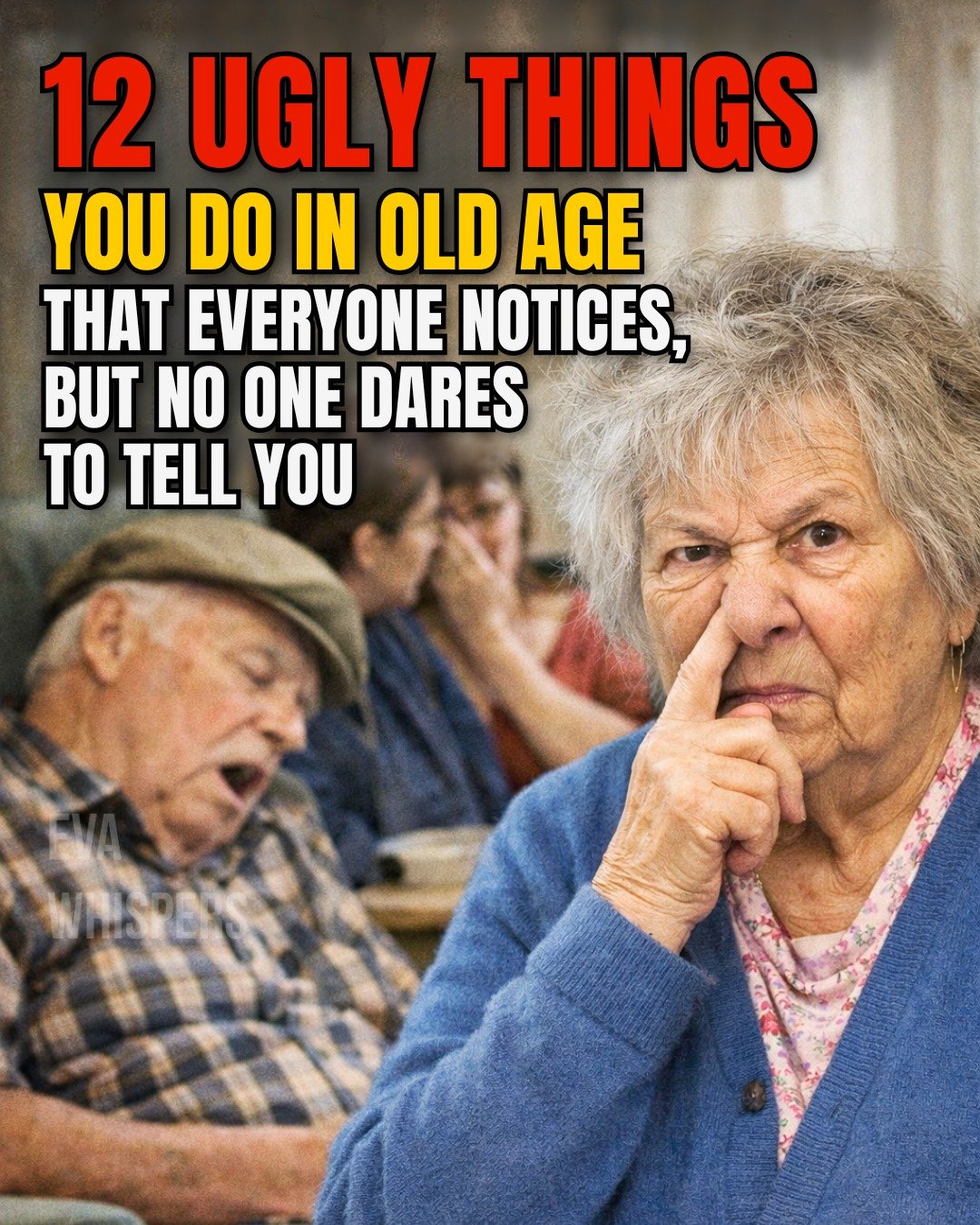
Aging is a natural and unavoidable part of life. With it comes experience, perspective, and a deeper understanding of the world. Yet, as the years pass, certain habits and attitudes can quietly create distance in our relationships.
What’s striking is that these behaviors are rarely pointed out—not because they go unnoticed, but because others hesitate out of respect, affection, or fear of causing offense.
Recognizing these patterns isn’t about criticizing age. It’s about strengthening connections, improving communication, and embracing this stage of life with awareness, dignity, and ease.

1. Constant Complaining
Occasional frustration is human. But repeated complaints—about health, the weather, finances, younger generations, or how things “used to be”—can slowly exhaust listeners. Over time, this pattern may unintentionally project bitterness and push people away.
2. Rejecting Everything New
Dismissing new technology, social change, or modern ideas can come across as inflexible. Phrases like “that never happened before” or “everything was better back then” often shut down curiosity and meaningful conversation.

3. Interrupting Conversations
Cutting others off to share personal experiences or opinions may feel helpful, but it often leaves people feeling unheard. Even well-intentioned interruptions can weaken mutual respect.
4. Giving Unsolicited Advice
Advice on parenting, relationships, finances, or life choices—when unrequested—can feel intrusive. Experience alone doesn’t make advice welcome; timing and consent matter just as much.
5. Living Too Much in the Past
Memories can enrich conversations, but constant comparisons to “the old days” can drain them. When the past dominates, the present may feel overlooked or unimportant.

6. Persistent Negativity
Always expecting the worst, focusing on problems, or dismissing positive moments creates a heavy emotional atmosphere. Over time, people may distance themselves to protect their own energy.
7. Not Truly Listening
Distracted expressions, automatic nods, or quickly changing the subject can signal disinterest. Even without words, this can feel dismissive and discouraging to others.
8. Criticizing Younger Generations
Generalizing younger people as lazy, irresponsible, or shallow creates unnecessary division. Every generation faces different pressures, and judgment without understanding widens emotional gaps.
9. Neglecting Self-Care
Letting go of hygiene, health routines, or basic grooming is often excused as “normal with age,” yet it affects engagement and self-respect. Caring for oneself isn’t vanity—it’s consideration.

10. Using Age to Excuse Bad Behavior
Rudeness, irritability, or harsh responses don’t become acceptable over time. Kindness, patience, and courtesy are not traits that expire.
11. Repeating the Same Stories
Retelling familiar anecdotes without realizing they’ve been shared many times can quietly disengage listeners. While usually harmless, repetition can weaken connection.
12. Refusing to Learn Anything New
Saying “I’m too old for that” closes doors and reinforces limiting beliefs. Curiosity keeps the mind active and strengthens our connection to the world.

A Gentle Reminder
Aging is not about becoming less—it’s about becoming more aware. More patient. More intentional. More present.
None of these habits define a person, and many appear gradually, without notice. What matters isn’t perfection, but willingness: the willingness to listen, to adapt, to stay curious, and to meet each moment with kindness.
Growing older doesn’t mean losing relevance or connection. It offers something far more meaningful—the chance to lead with wisdom, warmth, and understanding. When awareness guides our actions, age becomes not a barrier, but a bridge—one that brings people closer rather than pushing them away.
And perhaps the greatest gift of all is this: at any stage of life, it’s never too late to grow, to soften, and to choose connection again.