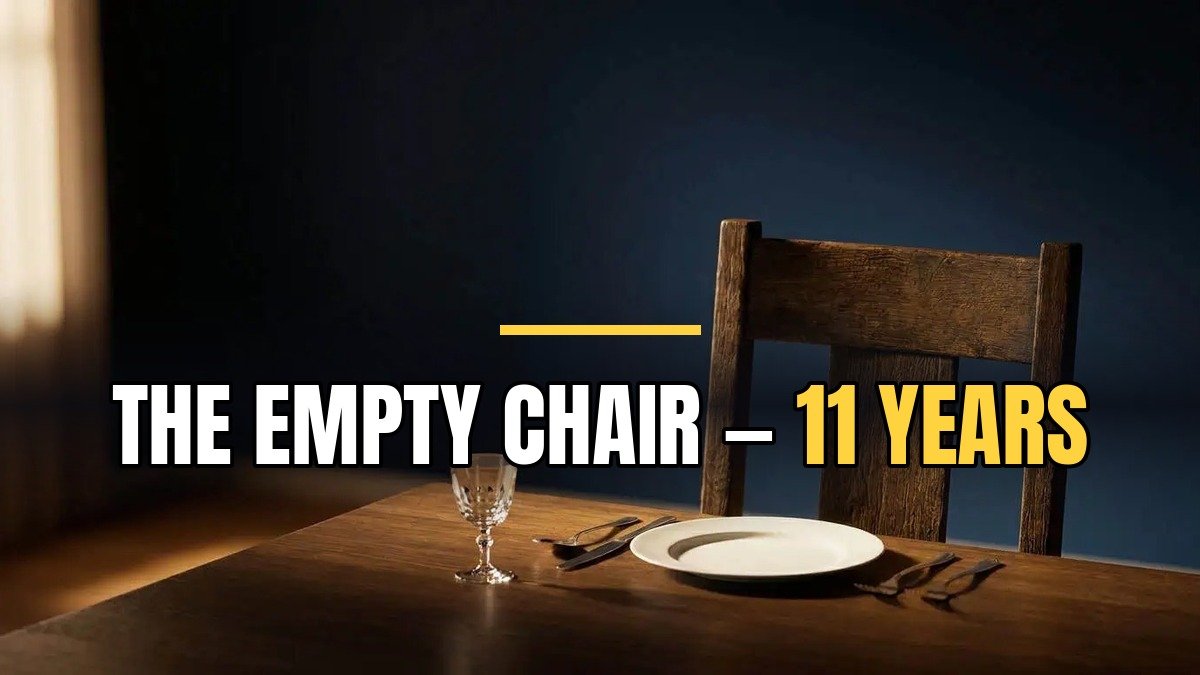
The first Thanksgiving after Henry died, Ruth set his place at the table out of habit. The second year, she did it on purpose. By the eleventh year, nobody in the family dared mention the empty chair at the head of the table — the good plate, the folded napkin, the glass filled with water nobody would drink.
Her children whispered about it in the kitchen. Mom still sets Dad’s place. Should we say something? It’s been eleven years.
Nobody said anything. Ruth, 81, ran her Thanksgiving like a general runs a campaign, and the chair was non-negotiable.
The Chair Nobody Was Allowed to Touch
Grandchildren learned the rule early: you could sit anywhere except Grandpa’s chair. Not because Ruth scolded — she never did — but because she’d simply appear, smiling, and move you to another seat with a plate of something warm.
“That seat’s taken, sweetheart,” she’d say, as if Henry had just stepped out to check the turkey.
The family assumed it was grief that never loosened its grip. They were half right. What they didn’t know was the promise.
The Promise Made in a Hospital Room
Henry’s last Thanksgiving had been in a hospital, eating turkey off a plastic tray while Ruth held the gravy cup so it wouldn’t spill. He’d looked at her and said, “Next year, I’ll be at my table. Save my seat.”
He never made it to next year. But Ruth saved his seat anyway — every year, for eleven years — because a promise is a promise, and Ruth had never broken one in her life.
“He asked me to save it,” she told her daughter eventually. “So I save it. When he doesn’t need it anymore, I’ll know.”
The Thanksgiving Everything Changed
The eleventh Thanksgiving, Ruth’s great-grandson — six years old, fearless, and brand new to the family rules — climbed straight into Grandpa’s chair and announced he was sitting “in the king seat.”
The whole table froze. Ruth looked at the little boy in Henry’s chair, his feet not even touching the floor, a drumstick in each fist like scepters.
And Ruth laughed. Really laughed — the first time anyone could remember her laughing at that table in eleven years.
“Well,” she said, wiping her eyes, “I suppose the king has spoken. Henry always did say that chair was too big for one man.”
She moved Henry’s plate to the sideboard, gently, like tucking in a child. Then she sat down next to her great-grandson and carved the turkey.
What the Chair Means Now
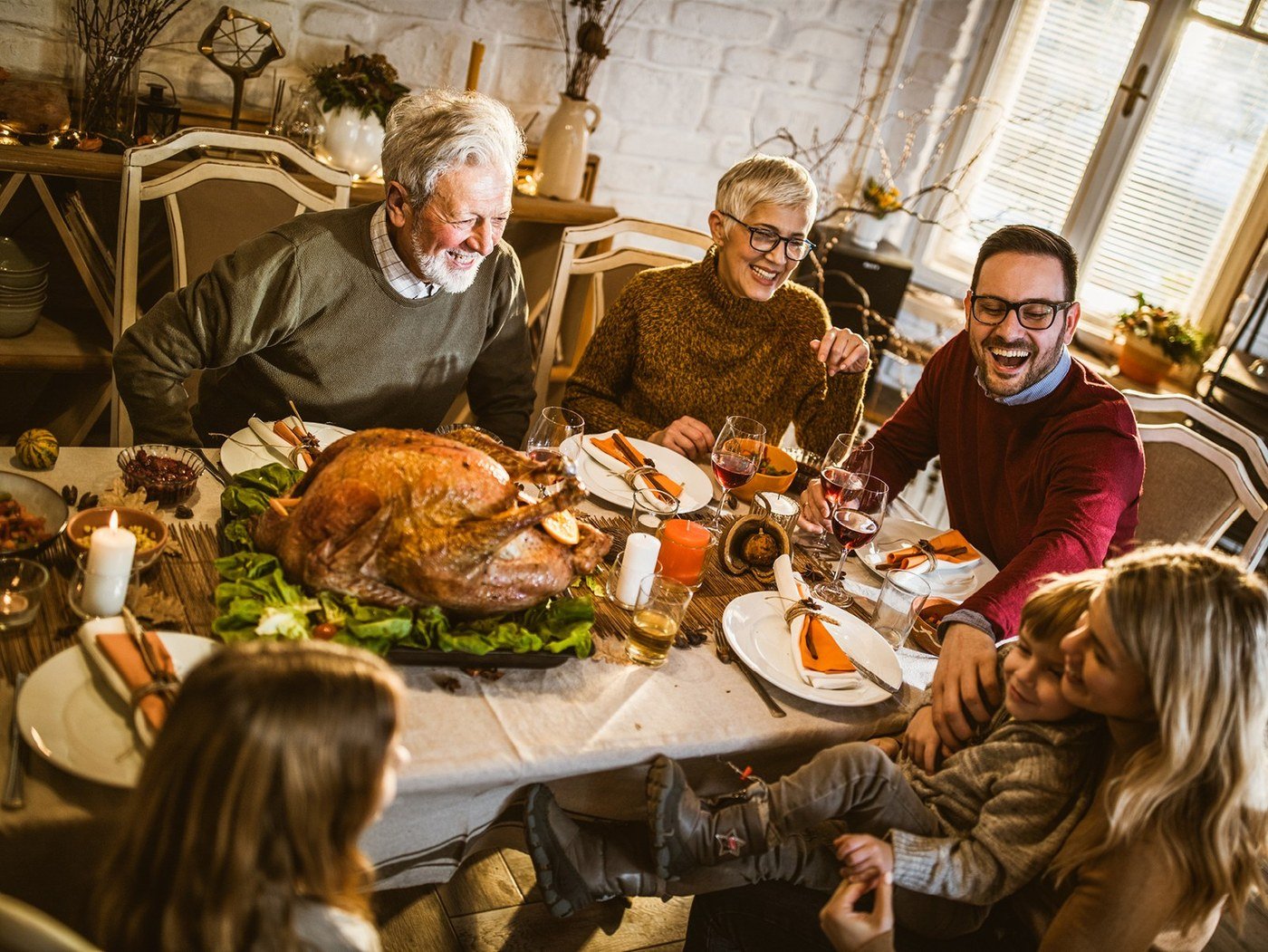
The chair isn’t empty anymore. Whoever is newest to the family — a grandchild, a new son-in-law, a neighbor with nowhere to go — gets the king seat now. Ruth says Henry would have insisted.
“He saved seats for people his whole life,” she says. “I’m just keeping his tradition.”
Some chairs stay empty because we can’t let go. And some stay empty until the right person comes along to fill them. Ruth’s took eleven years — and one six-year-old king.