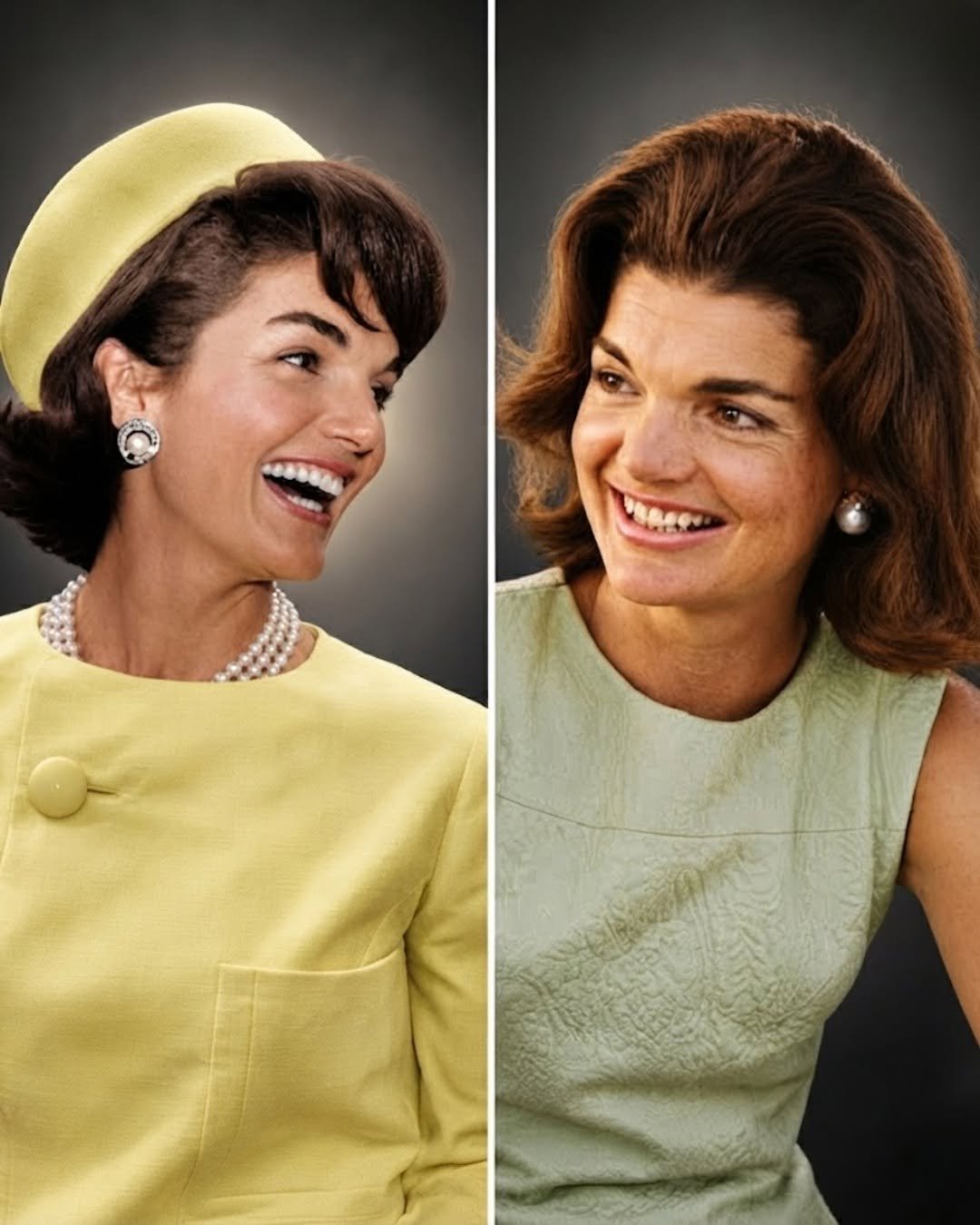
The Last Evening Inside a Home Filled With Memories and Loss
On November 29, 1963, exactly one week after President John F. Kennedy was assassinated in Dallas, Jacqueline Kennedy prepared to leave the White House for the final time.
To millions of Americans watching from a distance, she appeared almost impossibly composed. The world saw a grieving widow dressed in black, a mother protecting her young children, and a former First Lady carrying one of the greatest tragedies in American history with remarkable dignity.
Photographs captured her calm expression.
News reports described her courage.
The public saw a woman who seemed determined to remain strong for her family and for a nation that was mourning alongside her.
But behind the walls of the White House, away from cameras and reporters, Jacqueline Kennedy was not simply a historical figure.
She was a wife who had lost her husband.
A mother who had watched her children lose their father.
A woman forced to say goodbye to a life she had carefully built.
The White House had been more than an official residence during the Kennedy years. For Jackie, it had become a home filled with personal memories — the sounds of children running through the hallways, private conversations with her husband, quiet evenings away from public attention, and countless moments that existed only between family members.
Now, only days after the assassination, those memories were about to become part of the past.
The world would remember the funeral procession.
It would remember the thousands who lined the streets.
It would remember the heartbreaking image of young John F. Kennedy Jr. standing in front of his father’s coffin and offering a final salute.
But one of the most emotional moments of that week happened far away from the public eye.
It happened inside the White House itself.
It was a farewell that belonged only to Jackie.
The Woman Behind the Public Image of Strength
The days following President Kennedy’s assassination were among the most difficult moments in American history.
The nation was shocked.
Millions struggled to understand how such a sudden act of violence could happen to a young president who had represented hope and change for so many people.
But for Jacqueline Kennedy, the tragedy was not about history.
Not yet.
For her, it was deeply personal.
She was not thinking about monuments, speeches, or how future generations would remember the Kennedy presidency.
She was thinking about her husband.
The man she had shared her life with.
The father of her children.
The person whose absence had suddenly transformed every familiar place into a painful reminder.
During those days, Jackie became an image of quiet resilience. She continued appearing in public because she understood that people across the country were looking to her for reassurance.
But those close to her knew that the calm expression seen by the world required enormous effort.
Grief does not disappear because someone is standing in front of cameras.
Pain does not become smaller because history is watching.
Behind her careful appearance was a woman experiencing unimaginable loss.
And before she left the White House, she needed one final private moment with the home where so many important memories had been created.
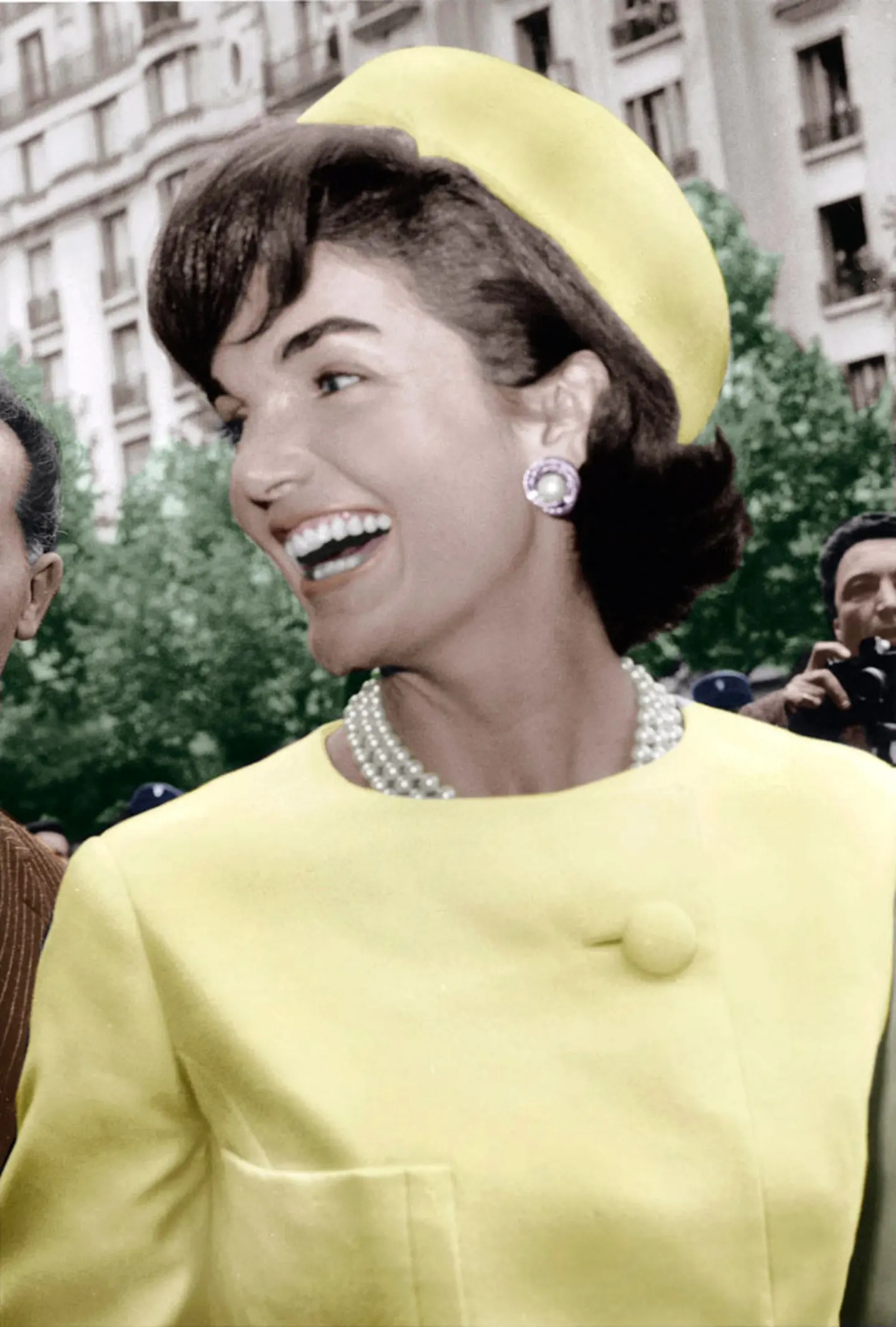
Walking Through the Empty Rooms One Last Time
According to stories that have been shared about her final night, Jackie quietly walked through the White House after dark, carrying a small flashlight as she moved through the familiar rooms.
The building that had once been filled with activity was now almost completely silent.
The rooms where important meetings had taken place were empty.
The hallways where visitors and officials had walked were still.
For Jackie, this was not simply a building.
Every corner held a memory.
Every doorway represented a moment from the life she had shared with her husband.
She reportedly paused throughout the residence, touching doorframes and looking carefully at rooms she knew she would never see in the same way again.
She returned to places where her family had laughed.
Places where her children had played.
Places where President Kennedy had worked late into the night.
The world often remembers the Kennedy White House as a symbol of elegance and history, but for Jackie, it was something much more personal.
It was where her family had lived.
It was where ordinary moments had happened.
It was where she had been a wife and mother, not simply the First Lady of the United States.
Leaving meant more than moving out of a residence.
It meant accepting that the life she knew was gone forever.
The Words That Captured a Heartbreaking Goodbye
One story connected to that final night has been repeated for decades.
According to the widely shared account, a Secret Service agent noticed Jackie walking alone through the White House and asked if she was alright.
The response often attributed to her was:
“I’m memorizing what happy felt like before I have to learn how to feel anything else.”
The exact wording has not been historically verified, but the sentiment has endured because it captures something deeply human.
The idea behind those words reflects the emotional reality of losing not only a person, but an entire chapter of life.
Grief is not just missing someone.
It is also learning how to exist in a world that suddenly looks completely different.
For Jackie, the White House represented the last physical connection to the happiest years of her marriage and family life.
She knew she had to leave.
She knew history was moving forward.
But before walking away, she wanted to remember.
Not the politics.
Not the headlines.
The happiness.
The private moments.
The life that existed before tragedy changed everything.
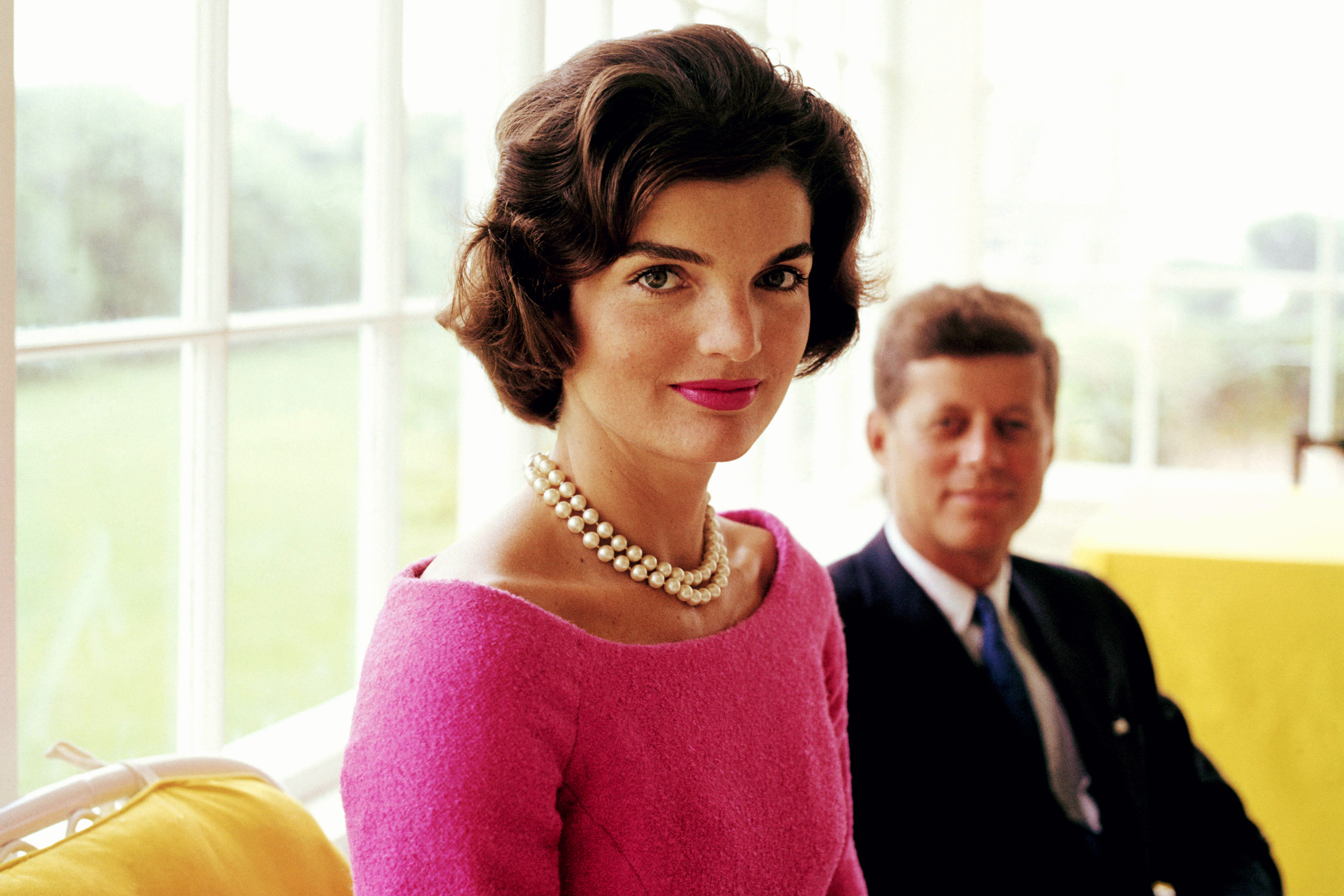
A Final Act of Kindness Toward the Woman Who Would Follow Her
Even while experiencing her own devastating grief, Jackie Kennedy thought about the woman who would soon take her place.
After President Kennedy’s death, Vice President Lyndon Johnson became president, and his wife, Lady Bird Johnson, became the new First Lady.
Jackie understood the unique challenges that came with living in the White House.
She knew that the residence could feel overwhelming.
She knew that every room carried history.
She knew that the person entering those rooms would need guidance and kindness.
Before leaving, Jackie reportedly prepared notes and advice for Lady Bird, offering practical suggestions about life inside the White House.
But beyond schedules and responsibilities, she also shared small personal details designed to make the transition easier.
She wanted Lady Bird to know the places where she could find peace.
The quiet spaces.
The comforting corners.
The places where someone could step away from the pressure of public life.
It was a remarkable act of generosity.
Jackie had every reason to focus only on her own pain.
Instead, she considered the feelings of the woman who would come after her.
Even in heartbreak, she chose compassion.
The Rose Garden and the Legacy She Left Behind
One of Jackie Kennedy’s most lasting contributions to the White House was her work preserving and improving its beauty and history.
She understood that the White House was not only a workplace for presidents.
It was also a symbol belonging to the American people.
Her restoration efforts helped transform the residence into a place that honored history while maintaining warmth and beauty.
Among the projects she cared deeply about was the White House Rose Garden.
The garden became a reflection of her belief that even places associated with power should also contain moments of peace and beauty.
For Jackie, beauty was never simply decoration.
It was a source of comfort.
A reminder that even after difficult moments, something beautiful could still grow.
That philosophy became part of her legacy.
She did not only preserve objects and rooms.
She preserved feelings.
She created spaces where future generations could experience a sense of connection with the past.
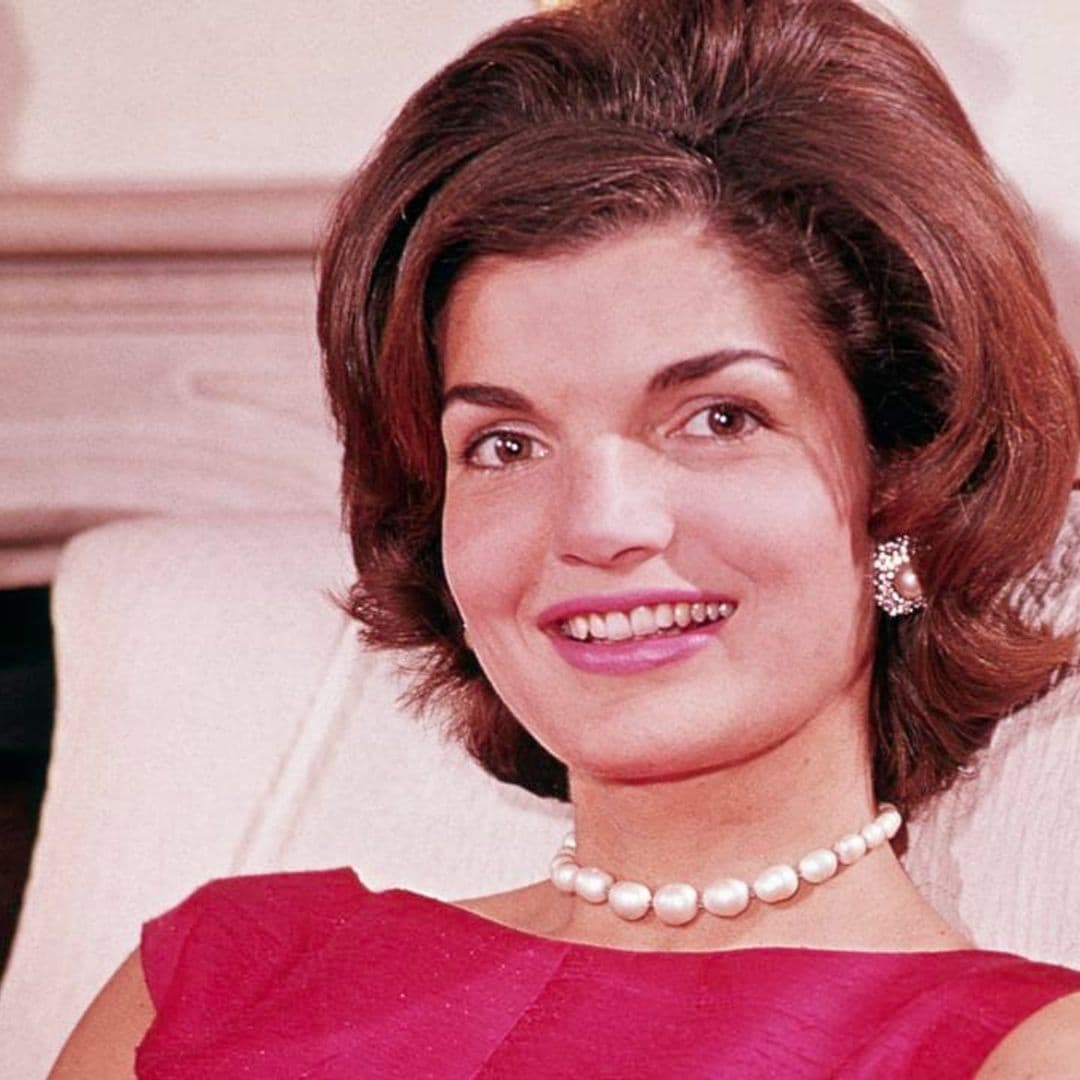
The Strength of a Woman Who Carried an Invisible Weight
Jacqueline Kennedy’s story has often been told through images.
The elegant First Lady.
The fashion icon.
The woman standing beside President Kennedy during a historic era.
But the deeper story is about resilience.
It is about someone who experienced unimaginable pain and still found ways to show kindness.
It is about a woman who lost almost everything familiar but continued thinking about others.
True strength is often misunderstood.
People sometimes believe strength means never showing sadness.
But Jackie Kennedy demonstrated something different.
Strength can mean carrying grief while continuing to move forward.
Strength can mean protecting your children while your own heart is breaking.
Strength can mean leaving behind something beautiful even when your own world has fallen apart.
Her final walk through the White House was not a moment of weakness.
It was an act of love.
She was saying goodbye to a place that represented a life she cherished.
The Goodbye That Became Part of American Memory
Decades later, Jacqueline Kennedy’s departure from the White House remains one of the most emotional moments connected to the Kennedy presidency.
The public remembers the ceremonies.
The photographs.
The speeches.
But the private goodbye tells a different story.
It reveals the person behind the historical figure.
A woman who loved deeply.
A mother who endured unimaginable pain.
A person who understood that memories are sometimes the only things we can carry when everything else changes.
When Jackie walked out of the White House for the final time, she was leaving behind more than a building.
She was leaving behind a chapter of her life.
But she also left something else behind.
Grace.
Compassion.
Beauty.
And a reminder that even in the darkest moments, people can choose to create something meaningful for those who come after them.
Because true legacy is not only about what someone achieves when times are good.
It is about how they carry themselves when everything falls apart.