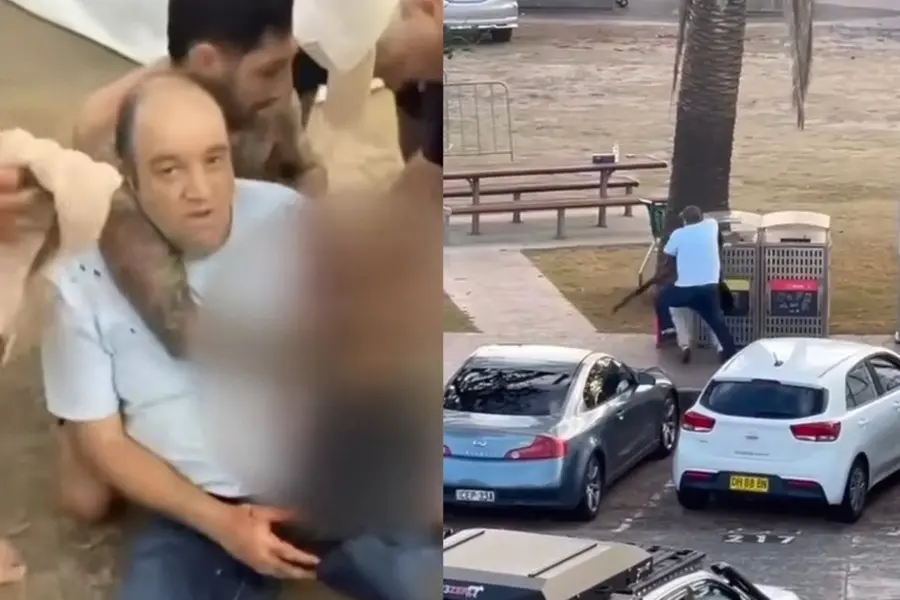
At 11:03 a.m. on a Tuesday that felt like any other, Zohran Mamdani stepped up to a single microphone in front of City Hall and changed the price of courage. No balloons, no marching band—just a crisp sheet of paper and a check the size of a breakfast tray made out to Ahmed El Ahmed for one million dollars, tax-free. Cameras clicked like crickets in high summer while Mamdani spoke, voice steady as a heartbeat, about the young man who had taken a bullet meant for strangers and never once asked for a receipt.
Ahmed himself was elsewhere—seventh floor of St. Vincent’s, leg elevated, shoulder wrapped, nurses teasing him about suddenly being “Instagram famous.” He had woken up to 47,000 new followers and a text from his little sister: “You owe me a new phone—mine won’t stop buzzing.” The TV in his room stayed off; he asked the nurse to wheel him to the window so he could watch ordinary traffic instead. From his bed he could see the river, silver and slow, and he thought about the moment he had decided to run toward the gunfire instead of away from it. It had taken maybe three heartbeats—no time at all, and yet enough to reroute his life.
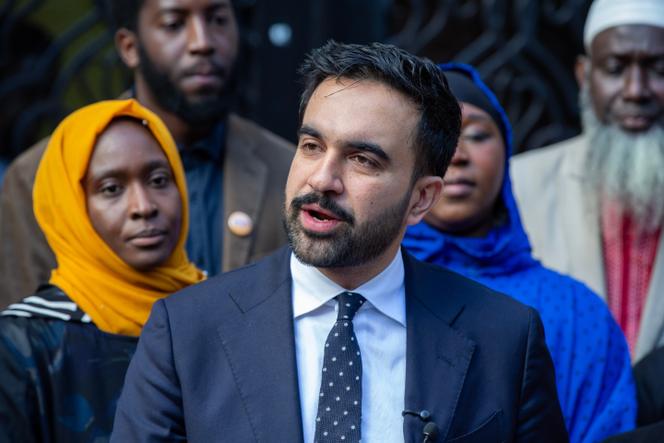
Back outside, Mamdani was drawing lines in the air. “This is not charity,” he insisted, reading the room the way other people read polls. “It is overdue rent on the moral high ground we keep claiming but rarely furnish with real furniture.” He pointed out that quarterbacks earn more for one game than social workers see in a decade, that influencers pocket five figures for unboxing a watch, while the guy who stepped between death and a child gets applause and a hospital bill. The math, he said, smells like rot.
By lunchtime the clip was everywhere—split-screened, subtitled, slowed down for body-language experts who counted the micro-expressions that proved sincerity or signaled fraud. Hashtags multiplied like fruit flies: #HeroDollar, #MillionForAhmed, #PayCourage. Memes arrived—Ahmed’s face photoshopped onto Superman’s body holding a giant check instead of a city. TikTok teens stitched side-by-sides: left side, Ahmed limping toward danger; right side, a celebrity pouring champagne on a yacht. The caption: “Guess who we pretend to value more?”
Talk-radio hosts foamed. One called it “virtue-signaling with zeros,” another praised the guts to finally put money where morals are. Economists popped up on cable like prairie dogs, warning of precedent, of slippery slopes greased with emotion. A tax attorney calculated that if every Good Samaritan got a million we’d bankrupt the treasury by Tuesday. A grandmother in Tucson started a GoFundMe anyway, donating her social-security check with the note: “If we can fund bombs, we can fund bravery.”
Inside the hospital, flowers arrived faster than rooms could hold them. Strangers left voicemails in three languages. A third-grade class mailed 127 handmade cards that smelled like glue and hope. Ahmed read every one, propped against pillows, fingers smudged with glitter. When a reporter slipped in and asked how the money felt, he answered, “Heavy.” Just that one word, delivered soft as gauze, but it traveled the internet like wildfire—proof that sincerity can still go viral.
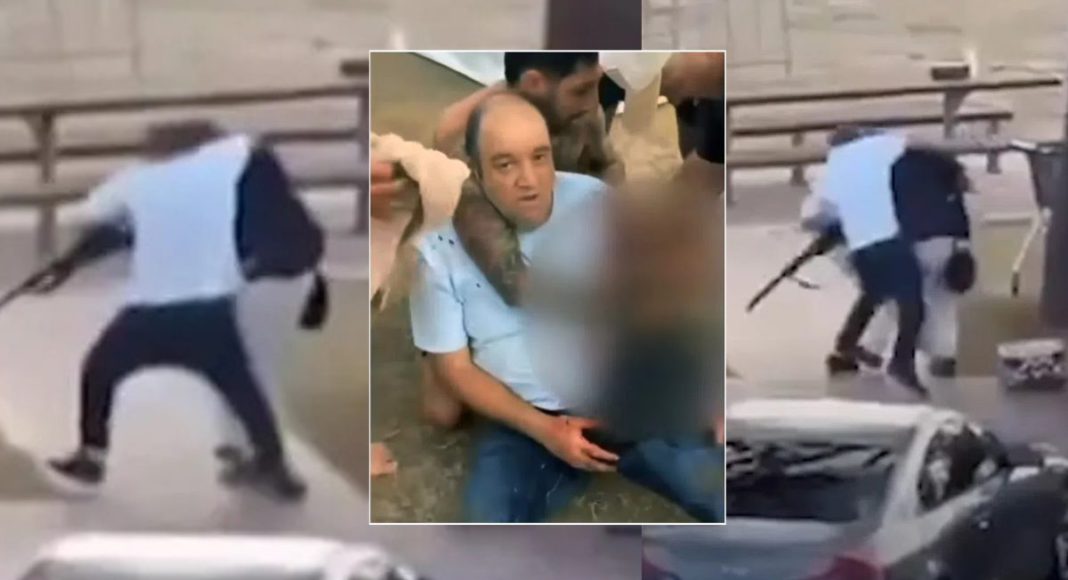
Mamdani spent the afternoon doing what politicians rarely do: listening. He sat in a union hall while janitors told stories of catching fainting passengers in subway stations, while nurses recounted wrestling needles away from addicts, while a teenager described pulling his little sister from a pool. Each story ended the same: no bonus, no headline, just the quiet knowledge they had mattered. By sunset he had announced a seed fund—ten million more, crowdfunded, tax-free—for “everyday interceptors” whose courage never made the news. The accountant beside him visibly winced; the crowd visibly wept.
Night fell and the debate kept rolling. Cable panels argued whether cash cheapens valor; Twitter threads split into warring camps of “pay them” versus “praise is enough.” But away from the noise, something smaller and sturdier was happening. A barista in Denver handed a homeless man a twenty and said, “Pass it on when you can.” A bus driver in Detroit pulled over to coax a trembling veteran off the ledge, later refusing an interview because, “I was just doing the job.” Somewhere a little girl taped her allowance to a note: “For the next Ahmed.” The money might never reach him, but the message traveled anyway—courage is contagious, and gratitude is its favorite carrier.
Ahmed was discharged on a Thursday under low cloud and soft camera flashes. He leaned on crutches, check tucked in his jacket like fragile armor. Reporters shouted questions; he answered none. Instead he limped to the river railing, stared at the water, and dialed his mother. “I’m coming home,” he said. “But first I’m buying you a house with good stairs.” Behind him, the city kept arguing, calculating, posturing. In front of him, the river kept moving, indifferent and eternal, carrying the reflection of a man who had discovered that bravery isn’t a currency—it’s a current, and sometimes, finally, the tide pays you back.