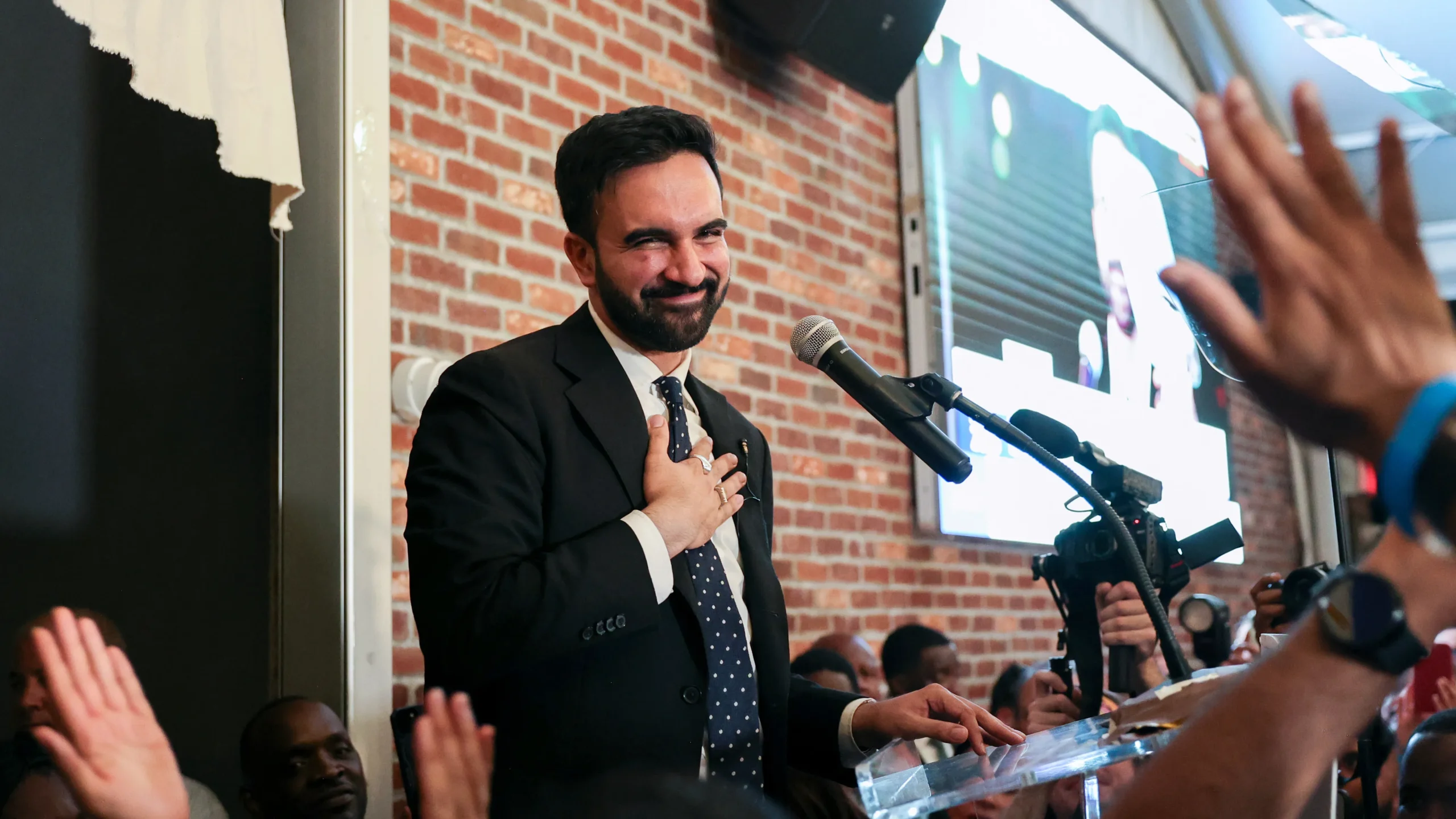
Zohran Mamdani showed up at the kill-shelter gate with a borrowed livestock trailer, two veterinary vans, and the kind of quiet rage that makes bureaucrats step aside. Inside, 46 dogs—tongues dry, ribs showing, eyes wide with the dull glow of creatures who have learned not to hope—pressed against chain-link. The staff expected a politician’s photo-op: a few belly rubs, a sound bite, maybe six adoptions max. Instead, Mamdani produced a spreadsheet, a stack of signed transfer forms, and a credit-card receipt for every kennel fee. “Load them,” he said. “All of them.” By sunset the shelter echo was empty for the first time in years.
The internet smelled blood in the water—good blood. Within an hour, clips of Mamdani carrying a skeletal hound across the parking lot hit a million views. Hashtags multiplied: #46Dogs, #MamdaniRescue, #EmptyTheKennels. Donations poured in faster than the rescue caravan could roll: fifty bucks from a waitress in Tucson, five hundred from a kid who sold Pokémon cards, a single bitcoin from someone calling themselves “SatoshiPaw.” GoFundMe’s servers hiccuped. Chewy shipped pallets of food addressed simply: “To whoever is feeding the 46.”
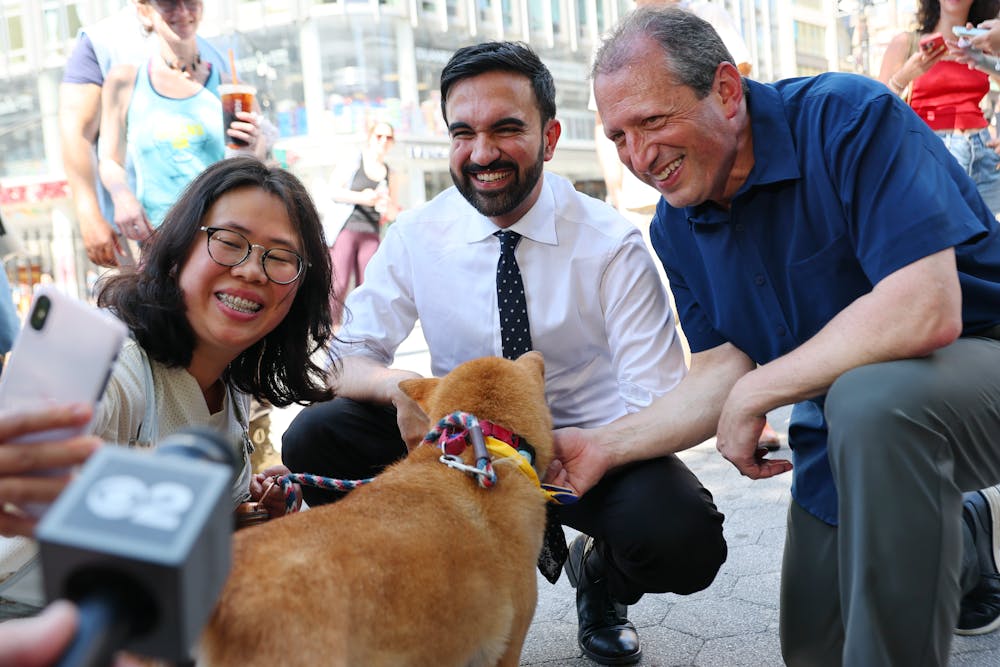
But one dog—small, golden-brown, eyes too knowing—refused to trend cute. She growled at cameras, snapped at outstretched hands, cowered when men in boots walked past. Viewers noticed. Armchair detectives zoomed in on her ear tattoo, ran the numbers, and fell down a rabbit hole. By midnight Reddit threads were buzzing: the markings matched dogs seized in a 2019 raid on an illegal breeding ring rumored to supply “designer puppies” to boutique pet shops in three states. The ring had supposedly been shut down. Yet here was living proof, trembling in 4K.
Mamdani’s team traced the microchip while the caravan was still on the highway. The trail led through shell companies, fake vet certificates, and a kennel license renewed under a different name every six months. The final link landed in a gated compound owned by a real-estate mogul who also sat on the state veterinary board—the same board that had rubber-stamped inspections for years. When the story dropped, the internet detonated. Memes replaced mogul’s glamour shots with dog-collared mug shots. A Change.org petition demanding his resignation hit 600,000 signatures before sunrise.

Cable news needed only the word “puppy-mill” to go wall-to-wall. Protesters showed up at the mogul’s office wearing dollar-store dog ears, carrying giant checks made out to “Conscience.” Late-night hosts who usually mocked politics for sport devoted entire monologues to the golden-brown dog now nicknamed “Receipt” because she proved the crime. Advertisers pulled sponsorships from the mogul’s reality shows; lawmakers promised hearings; the governor—eyeing re-election—called for an emergency audit of every licensed breeder in the state.
Through the noise, Mamdani kept the lens on the dogs. He live-streamed vet checks, neuters, rehab baths—turning trauma into pedagogy. Receipt learned to trust by watching younger dogs play; her first tail-wag broke the internet all over again. Each adoption became a micro-event: families chosen via lottery, screened for yards and patience, asked to post monthly updates tagged #46Stories. Within six weeks, thirty-seven dogs had new couches to ruin. Receipt stayed longest, adopted by a thirteen-year-old girl who had survived cancer and understood delayed trust. Their first photo—girl and dog silhouetted against a sunset—earned more likes than the original rescue clip.

The mogul resigned, then fled the state; investigators froze assets; prosecutors spoke of racketeering charges usually reserved for mobsters. But the larger victory was cultural. Pet-store traffic plummeted; big-box chains announced “adoption-only” policies; statehouses fast-tracked bills requiring DNA tracing for every commercially sold puppy. Animal-control officers reported a 300% spike in tips about shady kennels. A rescue in Kansas copied the caravan model— emptied two shelters in a weekend. A classroom in Oregon raised $800 selling handmade dog biscuits and asked, “Who’s next?”
Months later, Mamdani posted a quiet coda: a thirty-second clip of Receipt running—really running—across an open field, ears back, legs pounding, dust rising like applause. No speech, no text, just the sound of wind and barking joy. Viewers wept in grocery lines and office cubicles. Somewhere a legislator watched and remembered why laws matter. Somewhere a kid pocketed allowance for the local shelter instead of the mall. And somewhere 46 dogs slept on couches instead of concrete, dreaming the uncomplicated dream of being loved, not profitable.
The rescue had started as a single trailer in a parking lot. It ended as a referendum on what we owe the voiceless—and a reminder that one borrowed livestock trailer, driven by a man allergic to empty promises, can haul more than dogs; it can carry the conscience of a country stumbling toward kindness.