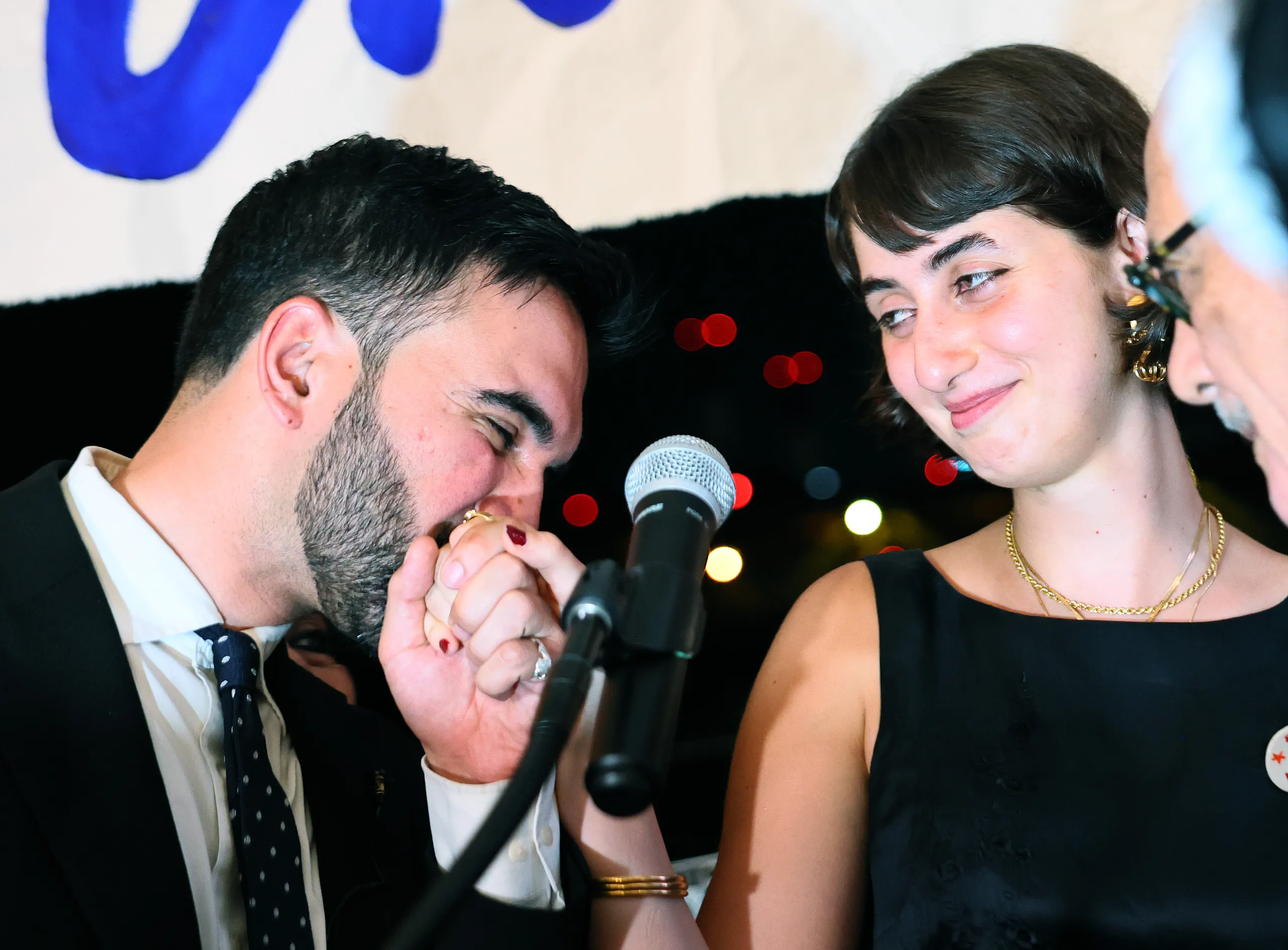
The party had the easy feel of a living-room gathering spilled into a backyard.
String lights blinked overhead, plates of saffron rice and grilled vegetables passed hand to hand, and friends laughed about old campaign stories—nothing that hinted at the hush about to fall.
Near the end of the evening Mamdani tapped a glass, pulled a single folded sheet from his pocket, and asked everyone to find a chair or a patch of wall.

“I wrote this for the person who taught me that love is a daily act, not a campaign slogan,” he said, and the room stilled the way crowds do when fireworks pause before the next burst.
He began to read the letter aloud, his voice steady but soft, each sentence landing like a whisper no one wanted to drown out.
“I remember the nights we argued so loudly the neighbors banged on the radiator,” he read, “and I remember you still warmed my tea the next morning while I stared at apology texts I was too proud to send.”
People glanced at their own partners; someone’s glass paused halfway to their lips.
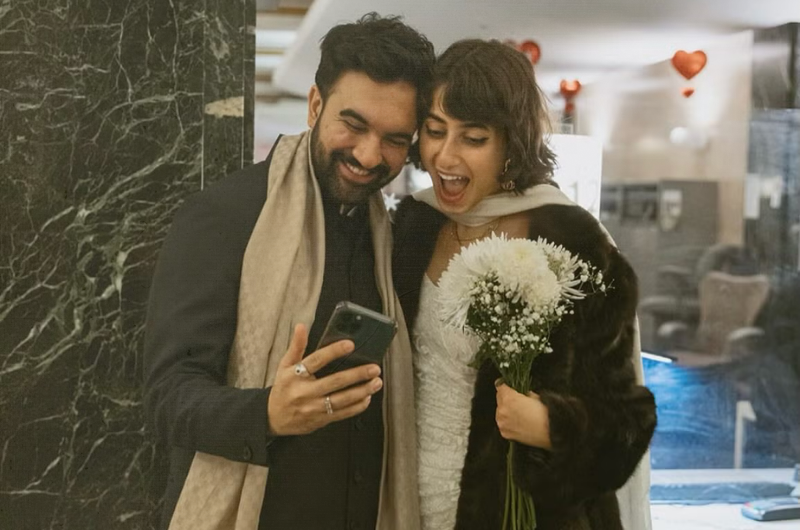
The letter moved through ordinary failures—missed birthdays because of late votes, the time he forgot to pick up milk twice in one week—then pivoted to gratitude for the way forgiveness arrived without invoice.
Midway through, he looked directly at his partner and admitted, “I have stood on stages and promised crowds a better city, yet the only promise that truly frightens me is the one I make to you every dawn: that I will choose us again before I choose myself.”
A toddler on a parent’s lap stopped fidgeting; even the playlist, left on shuffle, seemed to lower its volume.
When Mamdani’s voice cracked on the line, “You are the quiet lobbyist for my better angels,” a few guests wiped cheeks with sweater sleeves, surprised by how quickly sentiment had scaled the walls they kept around their own hearts.

He ended with a vow as simple as it was steep: “I do not ask for perfect days; I ask for the courage to keep showing up on the imperfect ones, until we are both very old and still arguing over which direction the couch should face.”
Then he folded the paper, slipped it across the table, and kissed his partner while the room exhaled a collective breath none of us realized we’d been holding.
No speeches followed; people simply stood, clapped softly, and drifted back to the food table changed in a way no policy rally or victory speech had ever managed.
Later, guests admitted they called siblings on the walk home or left voice mails for parents they had not spoken to in months.
One friend joked that she finally understood the difference between charisma and intimacy: the first makes you cheer, the second makes you text your ex that you’re sorry.
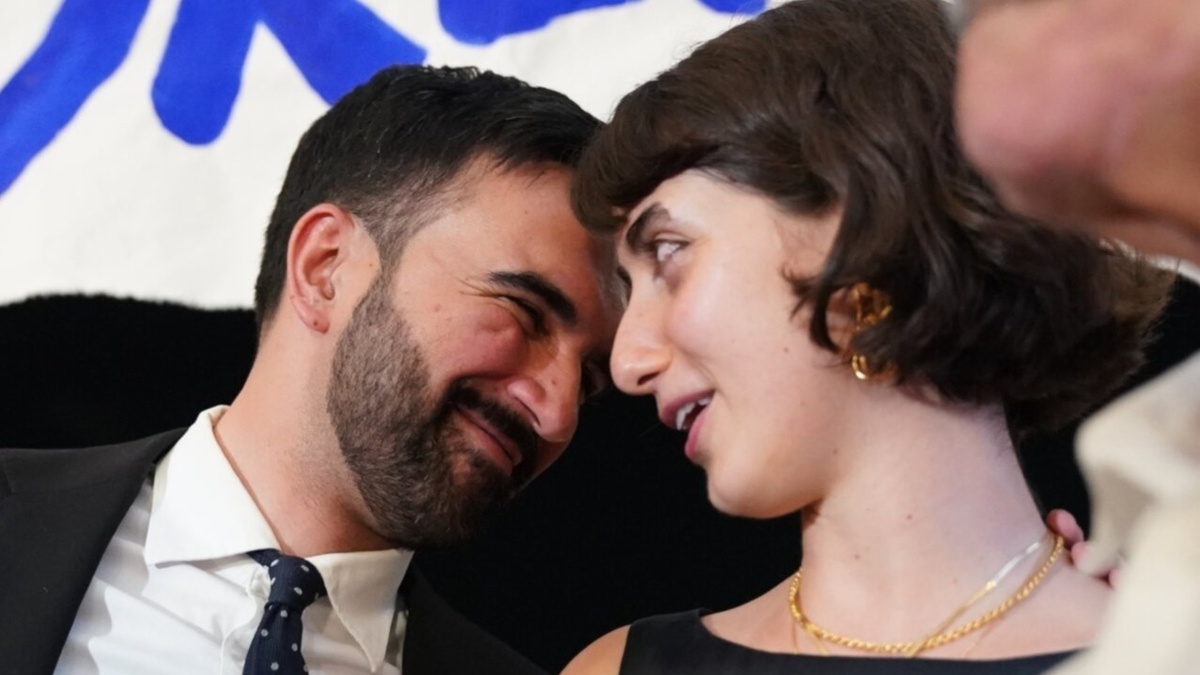
Mamdani’s handwritten letter—never posted online, never meant for cameras—had done what hours of campaign rhetoric could not: it turned a private anniversary into a public reminder that the most radical act in a city of eight million might still be two people choosing to stay.