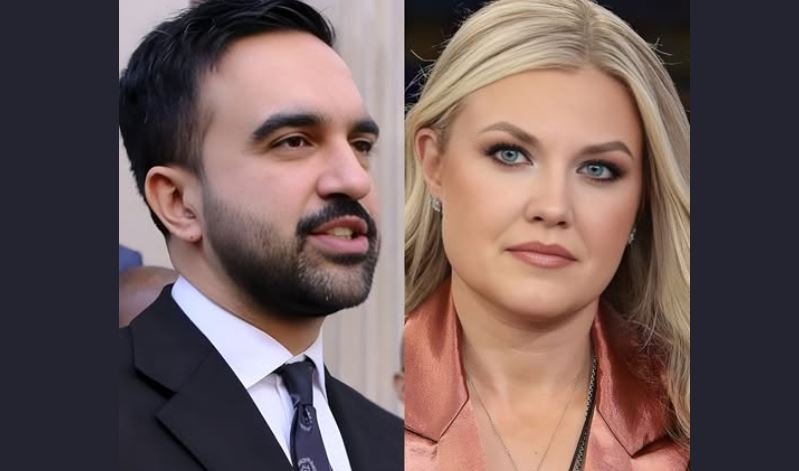
Erika Kirk, widow of conservative activist Charlie Kirk, has dropped a defamation bomb on Mayor-elect Zohran Mamdani, demanding fifty million dollars for remarks she says destroyed her reputation and reopened the wound of her husband’s death.
Court papers filed in Manhattan Supreme Court do not yet quote the exact words Mamdani allegedly uttered, only that they “falsely impugned the character and legacy” of Charlie Kirk during a public event earlier this year.
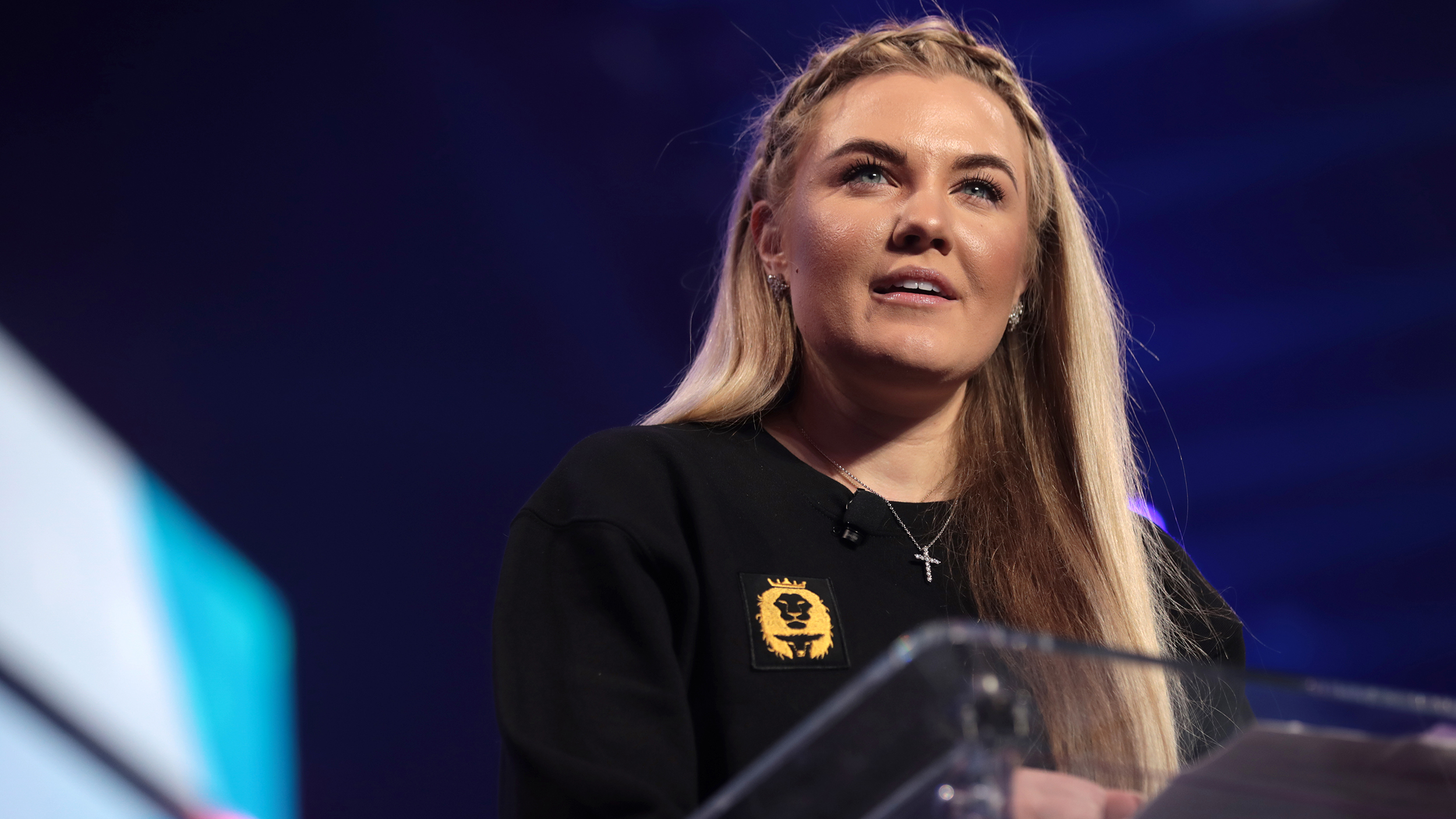
The missing details have set social media on fire: supporters of Erika call the suit a long-overdue stand against reckless political speech, while Mamdani’s allies warn it is a thinly veiled attempt to silence a left-wing voice before he even takes office.
Legal experts say the case faces a steep climb.
Mamdani is an elected official, and the First Amendment gives wide berth to political commentary; Erika Kirk must prove the statement was not only false but made with “actual malice”—knowing disregard for the truth.
Yet even a failed suit can bruise.
The discovery process will drag Mamdani’s emails, texts, and campaign memos into depositions, forcing him to answer questions under oath while he is trying to hire commissioners and draft a city budget.
The timing is no accident.
Charlie Kirk died last winter after a sudden heart attack at 38, and his passing instantly became cannon fodder across the ideological battlefield.
Erika’s complaint says Mamdani “exploited the tragedy to score ideological points,” though she has not specified whether the remark came at a rally, in an interview, or on one of the viral TikToks that helped power his mayoral run.
Until the full filing is unsealed, the public is left with dueling narratives: a grieving family demanding accountability versus a politician who built his brand on unapologetic left-wing rhetoric.
Inside Team Mamdani, advisers are split.
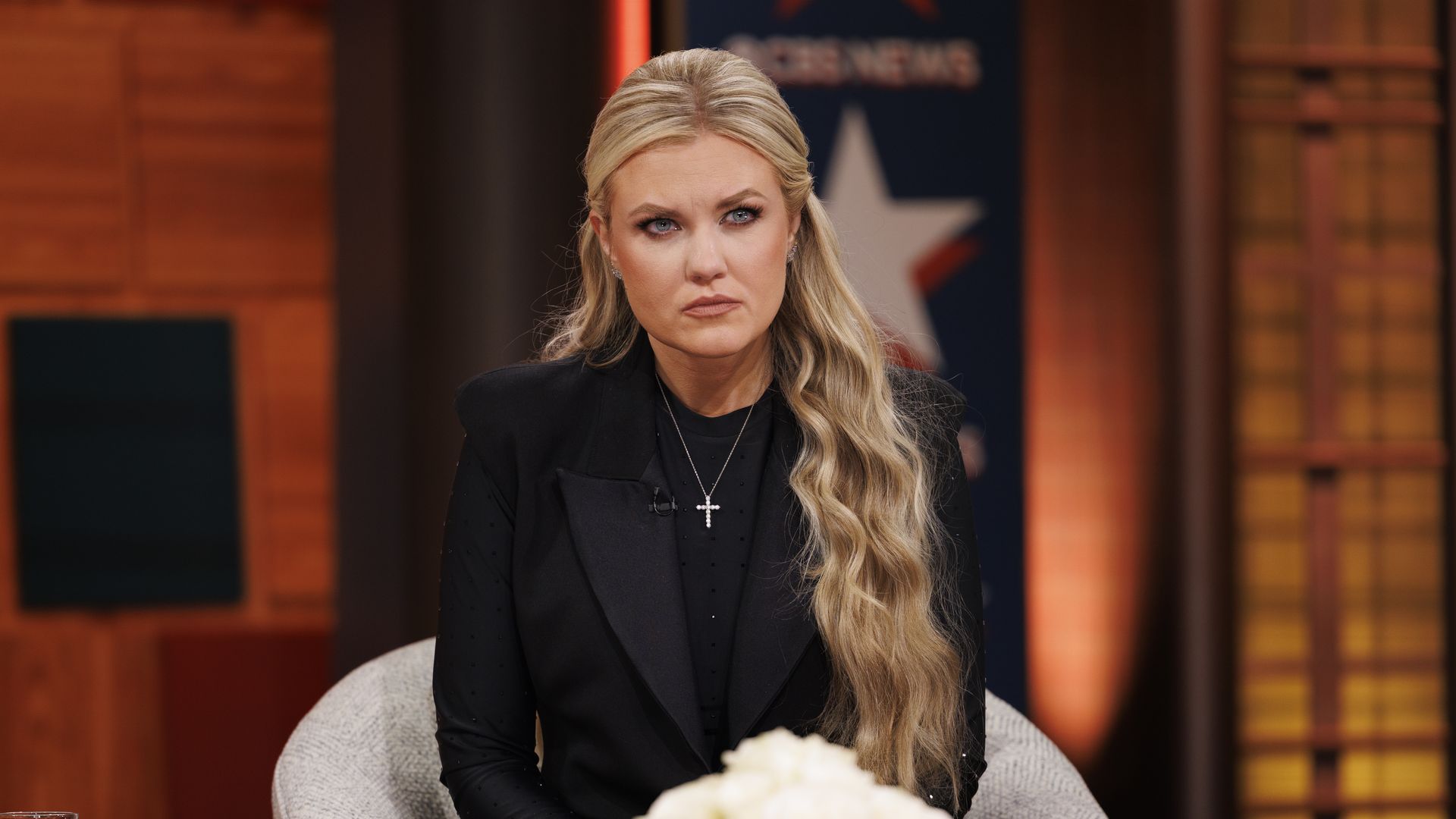
Some want him to counter-punch, arguing that capitulation will invite more suits and embolden right-wing media.
Others urge silence, reminding him that any statement can be clipped, reposted, and monetized by the outrage economy.
So far he has chosen option two, issuing only a terse line through a spokesperson: “We are reviewing the filing and will respond in court, not on Twitter.”
The restraint frustrates supporters who want fire-with-fire, but lawyers say it is the smartest play while they prepare a motion to dismiss.
Outside the courthouse, the case is already reshaping rhetorical norms.
Progressive electeds are quietly deleting old tweets about Charlie Kirk; conservative influencers are fundraising off Erika’s photo like it’s a campaign poster.
Cable panels ask whether political speech has become “too personal,” even though the same channels profit from the very vitriol they decry.
Meanwhile, regular New Yorkers scrolling at 2 a.m. wonder if any room is left for debate that doesn’t end in a lawsuit, a doxxing, or both.
The suit will crawl through motions, counter-motions, and possibly a settlement conference sealed from public view.
If it reaches trial, expect a media circus: Erika on the stand describing life after loss, Mamdani trying to sound righteous without sounding cruel, and lawyers parsing every verb he ever conjugated about Charlie Kirk.
Whatever the jury—or the judge—decides, the verdict will land well after the viral clips have hardened into gospel for each side.
In the end, the case is less about fifty million dollars and more about who gets to write the footnotes in the bruised encyclopedia of American political speech.