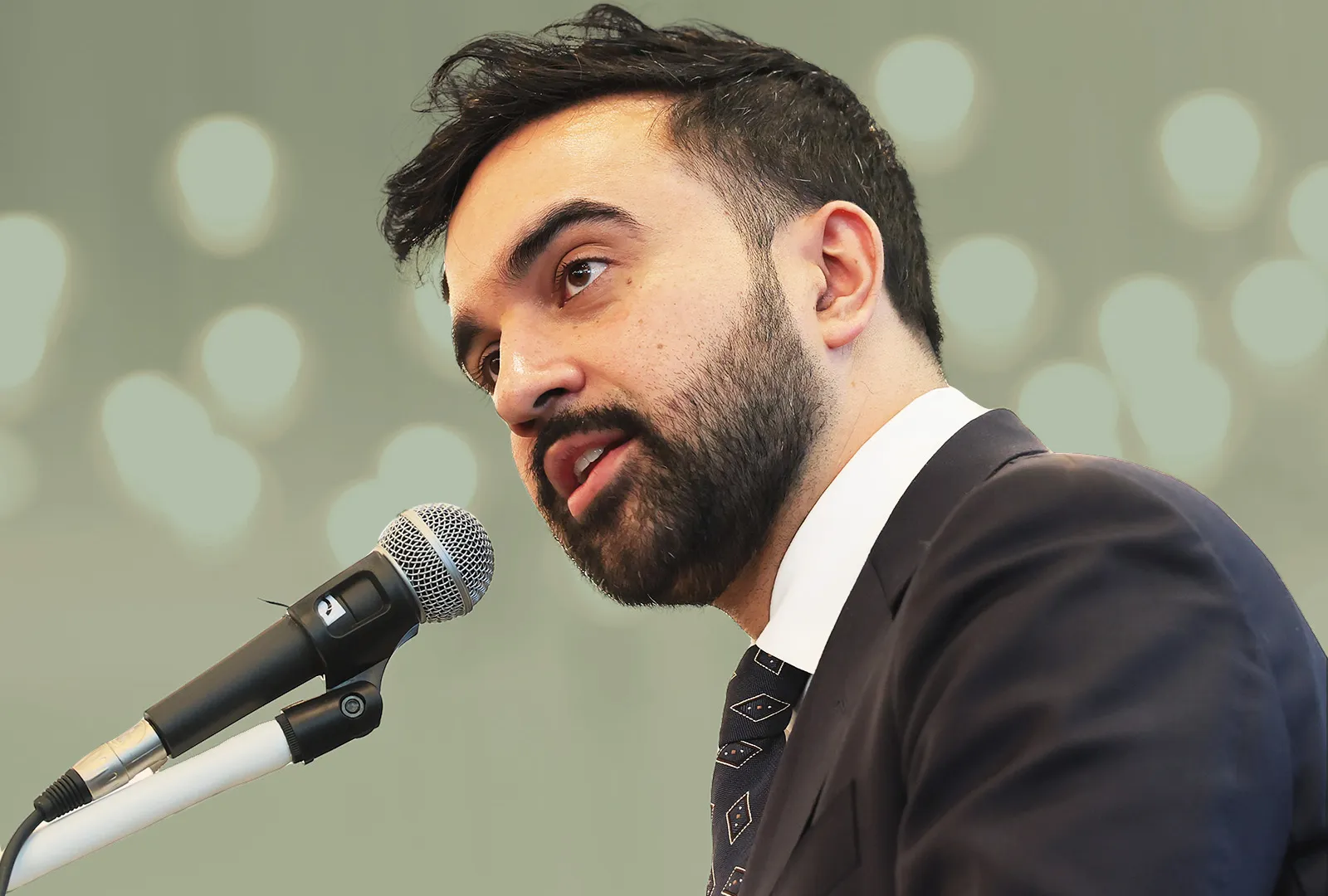
Zohran Mamdani still remembers the taste of worry on a spring morning outside 26 Federal Plaza. He was not a candidate then, just a son killing four hours on a Manhattan sidewalk, praying his father would walk back out with a smile instead of handcuffs. The building that once handled boring paperwork had turned into a trap where masked ICE agents waited to grab anyone whose name was called. When the older man finally stepped into the sunlight, mother and son hugged him so tightly the three became one small island on the concrete. In that moment Mamdani understood the lucky feeling was rare, and he stored it like fuel for the fights ahead.
The fear he tasted that day was familiar to thousands of neighbors in Queens, so as a freshman assemblyman he turned his tiny district office into a weekly refuge. Word spread through mosques, bodegas, and school parking lots: if the government scared you, show up on Thursday. Volunteers translated forms, law students copied passports, and the line often curled around the block. They helped grandmothers apply for city ID cards, tracked lost wages for delivery workers, and won three special visas for women who had survived violent robberies. Over one thousand people walked in undocumented and walked out knowing somebody had their back, maybe for the first time since they crossed the border.
During his twelve-hour “Mayor Is Listening” marathon at the Museum of the Moving Image, a young woman arrived with her Spanish-speaking parents and a notebook full of mold photos. Their landlord, angry about complaints, taped ICE flyers in the lobby to shut them up. Cameras were turned off so the family could speak freely; only the candidate’s ballpoint moved. He wrote “repair threats + ICE blackmail” and underlined it twice, promising himself that intimidation like this would meet a brick wall called City Hall. Immigrants, he says, do not live single-issue lives; they ride the same broken trains, pay the same crazy rents, and dream the same dreams of safe kids and Friday-night pizza.
That brick wall now has blueprints. On January first he will govern a city that federal agents call a “sanctuary,” a word Trump treats like a curse. Mamdani plans to hire a deputy mayor for economic justice who will also guard immigrant affairs, making sure every agency knows the rules: no ICE agent enters a school, hospital, or city office without a judge’s signature, and any contractor who tries to help them loses the contract the same day. He jokes that the job description is simple—“just follow the law we already have”—but admits the last crew sometimes forgot, tempted by quieter headlines. He keeps a printed copy of the city’s sanctuary rules in his backpack, creased from rereading, and swears the paper will stay in his pocket until every line is boring again.
The Oval Office meeting that shocked cable news left him unchanged, he claims. Trump called it “great,” Mamdani called it “honest,” and both things can be true when opponents look each other in the eye. He told the president that dragging parents from courthouses is cruel, that mass deportation does not lower crime, and that New York already helps hunt serious felons through the 170 crimes listed in existing law. If Washington sends troops, he will greet them with lawyers, not police, because the moral argument comes first and the economic one is already obvious: cities thrive when neighbors trust the lights stay on and the corner store stays open, no matter the language spoken at the register.