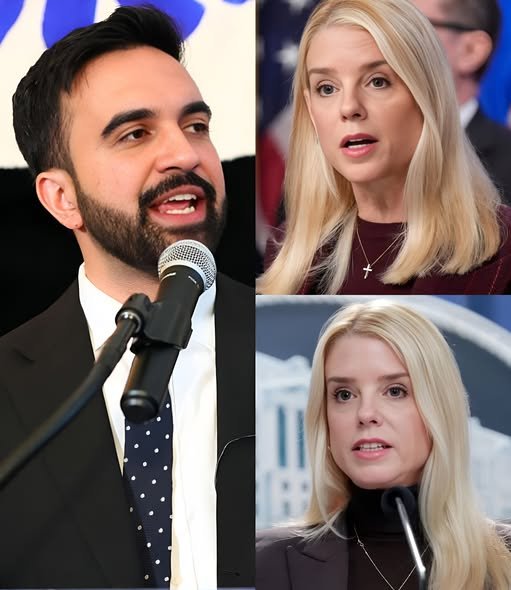
Zohran Mamdani stepped up to the long wooden table, adjusted the microphone down to his height, and spoke so softly that the stenographer leaned forward. In a Capitol hallway used to yelling, the hush felt like a dropped pin everyone could hear. “No threat will silence me,” he said, almost conversationally, and the sentence traveled through cameras straight into the nation’s bloodstream. Within minutes the clip was looping on phones in subway cars, kitchens, and dorm lounges, each replay making the same calm feel more dangerous to power and more comforting to the worried.
The hearing was supposed to be routine—a dry review of “courthouse safety”—but Mamdani turned it into a mirror. He told the subcommittee that fear is now marketed as policy, that warnings of punishment are sprayed across cable chyrons to keep critics looking over their shoulders. When law-enforcement leaders go on Sunday shows and muse about “consequences” for loud-mouth politicians, he said, they are not protecting order; they are auditioning for silence. The tone of his voice never rose; the room’s temperature seemed to rise instead, as if truth itself were blush-worthy.
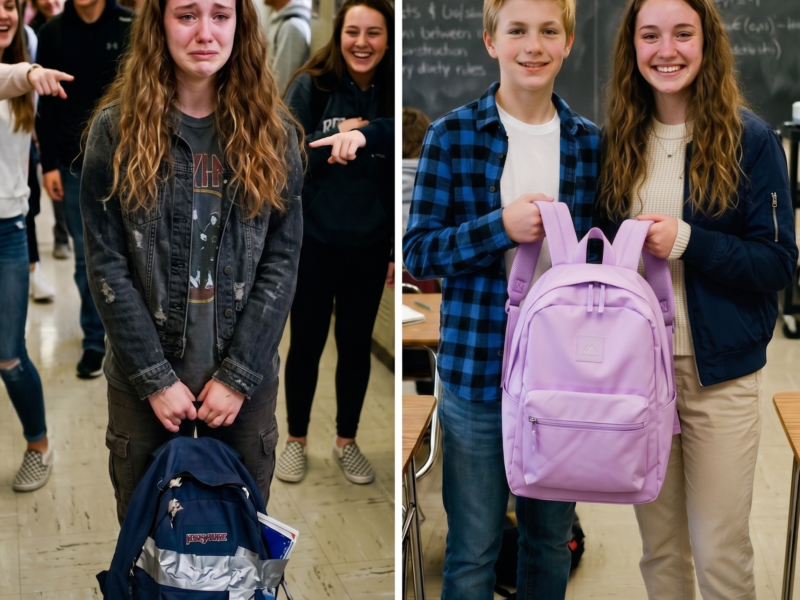
Supporters saw a vaccine against intimidation. By sunset the phrase “weaponizing the law” trended above celebrity gossip, and teenagers were writing the line on backpacks. Critics tried to turn the volume back up, calling the testimony exaggerated theater, but the calm delivery made the accusation feel like shouting at a librarian. Cable panels asked if Mamdani was reckless, yet every replay showed the same temperate face, the same steady hands, the same refusal to perform outrage. In an age when algorithms reward heat, the algorithm met something it could not distort, and the clip multiplied faster than any angry rant.
What frightened some and thrilled others was the absence of personal drama. He did not claim unique persecution; he said the tactic is meant for everyone who asks uncomfortable questions. By framing the stakes as collective, he offered viewers a role: speak now, or inherit the quiet you did not choose. The invitation felt both gentle and unstoppable, like a tide that asks each footprint whether it wants to stay or wash away. Phones lit up in immigrant clinics, newsrooms, and even police break rooms, all asking the same small question: if he can stay calm, why am I so afraid?
The moment will pass, the clip will slow, but the whisper has already entered the language. “No threat will silence me” is now printed on union flyers, quoted in city-council press releases, and scrawled on the cardboard signs that sleep under coats until the next protest. Whether history records it as bravery or branding matters less than the immediate effect: a permission slip for ordinary people to keep speaking without raising their voices. In that sense the quiet was never soft at all; it was the sound of millions deciding the safest place to stand is next to someone who refuses to be loud enough to scare them.