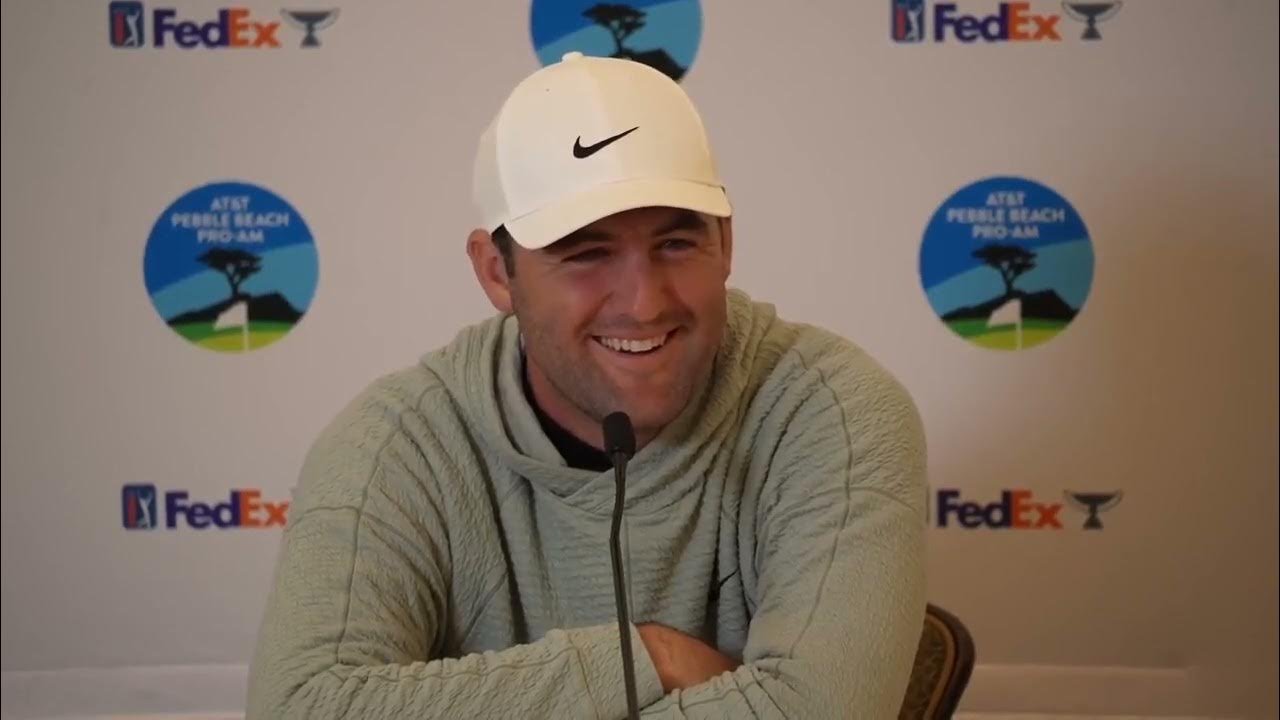
Scottie Scheffler walked into the TV lights wearing the same quiet smile golf fans know, but this time the spotlight found him for words, not wedges. Minutes before the opening ceremony, organizers handed every player a small rainbow-striped lapel pin meant to signal support for LGBTQ fans. Scheffler gave it back, then posted a short statement: “I will not be forced to wear something I do not believe in. The woke agenda stops here.” The sentence took less than thirty seconds to read and days to stop echoing.
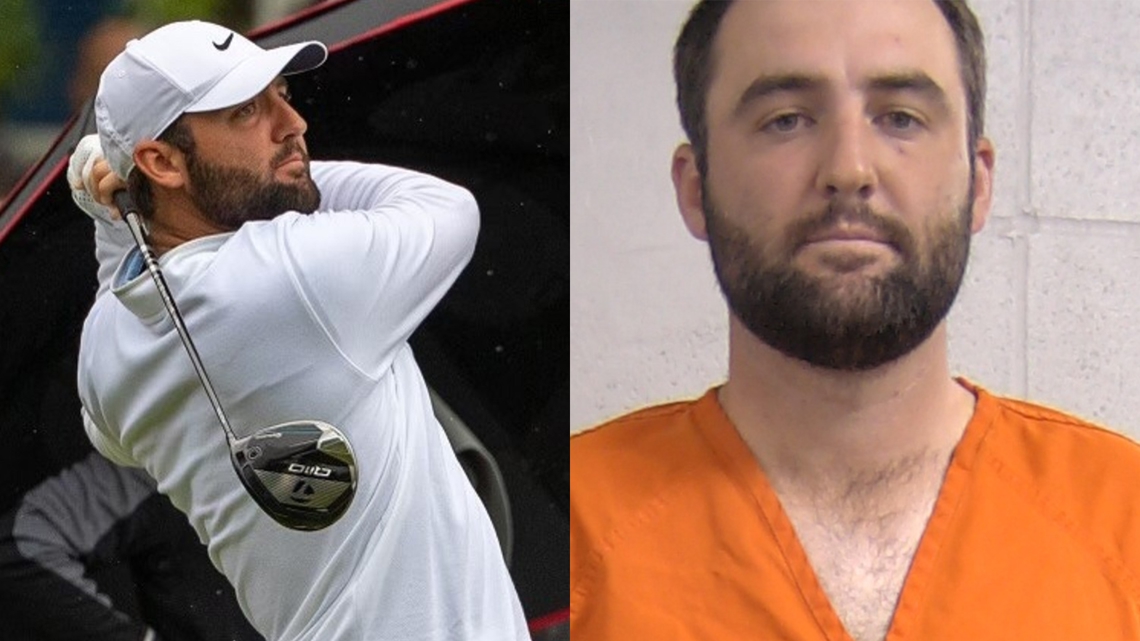
Reactions split faster than a tee shot on dry fairway. One side saw a man finally pushing back against corporate pressure, a golfer brave enough to say “leave me out of the parade.” The other side saw a star athlete brushing off a community still fighting for the right to feel safe in sports bars and locker rooms. Within an hour the pin refusal was trending above the tournament itself, and sponsors’ logos were being clipped, shared, and circled in red by people promising boycotts or buy-ups depending on their mood.
Scheffler insists the move was personal, not political. He says he respects every fan but doesn’t want symbols chosen for him any more than he wants someone picking his clubs. Critics answer that when you accept TV money, trophy ceremonies, and kids who copy your every move, the personal becomes public whether you pin on a flag or not. They argue that rainbow colors are not theology; they are courtesy, like removing a hat for the national anthem. Refusing them, they say, sends a chill through queer teenagers who finally dared to believe golf had room for them.

The PGA Tour stayed silent except for a short note about “respecting individual expression,” a sentence both sides read as agreement. Broadcast partners cut away from rainbow flags on the course and instead showed close-ups of Scheffler’s iron play, perhaps hoping golf could reclaim the narrative. But social media refused to return to birdies and bogeys. Memes flew: Scheffler’s face pasted over a protest sign, the tiny pin Photoshopped into a giant cape trailing behind his driver. Cable hosts asked if sponsors would flinch, though none have stepped back so far; apparel sales actually spiked among shoppers who see him as a folk hero against forced virtue.
Whether the moment fades or follows him depends on the next pin, patch, or ribbon someone hands him. For now, every pre-tournament interview will include a sidebar about what he will or won’t wear, and every young golfer with a Pride flag in her bedroom must decide if the fairway still feels friendly. Scheffler says he just wants to hit shots and sign scorecards, but by saying no to a one-inch stripe of color he learned a lesson older than the game itself: sometimes the smallest refusal travels the farthest distance, and the quietest no can ring louder than any club striking a ball.