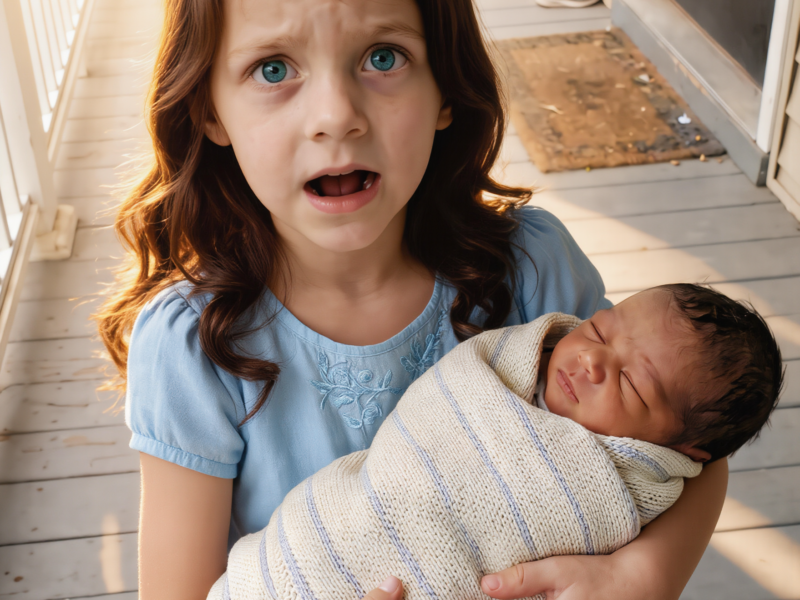
I found him on a Tuesday night, tucked against the peeling paint of my Pittsburgh apartment hallway, crying so softly it sounded like a kitten stuck in the rain. He was wrapped in a thin gray blanket that smelled of laundry soap and panic. I knocked on every door; no one answered. No note, no bottle, just a baby small enough to fit inside my forearms. The police came, then social services, and somewhere between the forms and the flashing lights I heard myself say, “I can hold him until you find a spot.” I never let go.
I named him Noah because the sound felt like calm water. I was thirty-four, newly divorced, and used to night shifts that left my eyes burning, but suddenly I learned the difference between being tired and being needed. I bought diapers with overtime pay, read bedtime stories between loads of laundry, and watched him grow—first tooth, first step, first day of school where he turned and waved like he’d done it a hundred times. I told him the truth early and often: another woman carried him, but I chose him every sunrise. He answered by calling me Mom before he could tie his shoes.
Seventeen years later a sleek car idled outside our house. A man in a suit handed me papers stamped with a gold-foil name: Charlotte Whitman, tech founder, millionaire, the woman who once walked away. She wanted her son back, now that the hard parts—sleepless nights, skinned knees, algebra tears—were finished. Court dates arrived faster than growth spurts. I sat on a wooden bench clutching fifteen years of school photos, wondering if love on paper could outweigh love shown up early every single day.
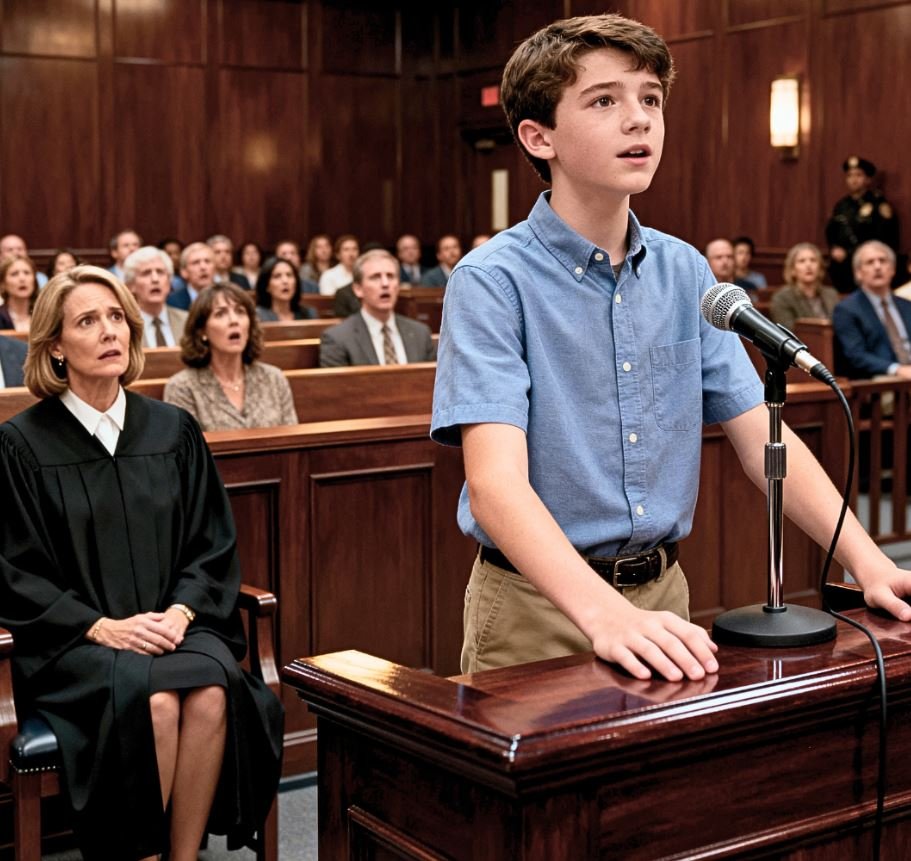
Charlotte entered the courtroom in heels that clicked like a countdown. She spoke of youth and fear, of doors she felt she had to close, of the empire she had built brick by brick since. Her lawyers listed opportunities: private tutors, Ivy contacts, trust funds large enough to swallow college debt whole. My palms sweated inside sleeves I had ironed the night before, trying to look like someone who belonged. Then the judge turned to Noah and asked if he wished to speak. The room folded into silence as he rose, six-foot-one in a thrift-store jacket, shoulders already broader than the doorway I once carried him through.
He looked first at the judge, then at me, then at Charlotte. “I know you gave me life,” he said, voice steady, “but life is more than breath. Mom sat in emergency rooms when asthma closed my throat at two a.m. She learned the rules of football so I wouldn’t quit the team. She budgeted in the grocery aisle so I could go to science camp.” He paused, and I saw the woman who bore him wipe away tears. “You can’t buy back chapters you didn’t write,” he continued. “I’m willing to turn the page together, but I will not trade the only parent who stayed for the DNA that left.”
Gasps fluttered around the room like startled birds. The judge adjourned for mediation, but the message rang louder than any gavel. Outside, cameras flashed and reporters shouted questions about reconciliation. Noah ignored them, slipped his arm through mine, and asked if we could pick up pizza on the way home. That night he stared at the ceiling of the bedroom we painted ocean blue when he was nine and asked the question I feared most: “Would you mind if I got to know her—without losing you?” I swallowed every selfish knot in my throat and said, “As long as you keep choosing what feels true.”
Months of careful lunches followed. Charlotte brought brochures for colleges with marble columns; Noah brought yearbook photos of the dog we rescued together. She offered a car with a bow; he asked for help building a cheap desktop so he could code games in our living room. Slowly the visits became less about gifts and more about stories—his first words, her first startup failure, the day he learned to ride a bike, the night she cried in an empty boardroom. Two adults began sketching a relationship neither had expected, while I learned to share air with a woman whose absence had shaped my every tomorrow.
The final ruling left custody unchanged. I remained his legal parent until adulthood, but the court recorded Charlotte’s name on the birth certificate as a living footnote. Outside the courthouse she hugged me longer than necessary and whispered, “Thank you for doing what I couldn’t.” I nodded, because forgiveness is quieter than anger and lasts longer. Noah kept boundaries clear: birthday texts, occasional Sunday dinners, a slow walk across the bridge neither of us thought we could build. He still calls me Mom, still asks my opinion on sneakers and heartbreak, still folds laundry without being asked.
People ask if I was afraid of losing him. I was terrified. But motherhood is not a deed; it is a daily decision to show up, to listen, to let go when letting go is love. The boy left in a hallway became the young man who taught me that families are stitched together by choice, not chance, and that the strongest thread is the one that stretches without breaking.